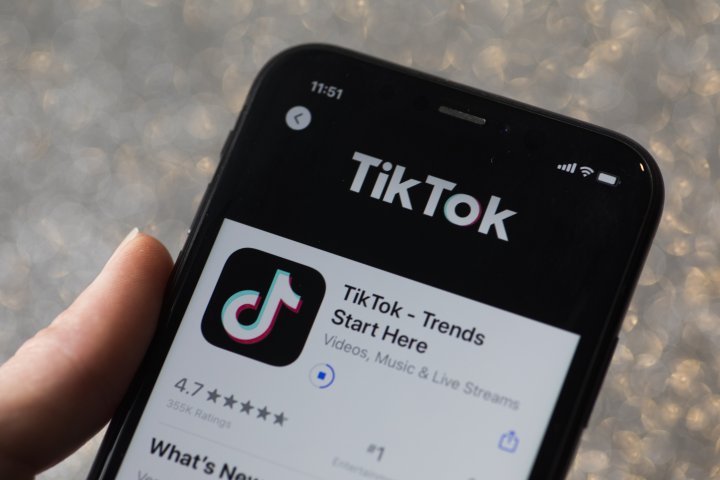
When I first heard of TikTok a couple of years ago, I didn’t really pay too much attention. It sounded like another silly social media app with grandiose dreams of occupying space next to Facebook, Instagram, Snapchat, and Twitter. Something that existed on quick servings of video featuring goofy dance moves, memes, and lip-syncing to songs hardly seemed like something that had any legs. It looked like just another social media app experiment that would end up on the heap with Vine, Meerkat, Periscope, and so many others. Commentary: Alan Cross has an open letter for musicians who send him their music demos But things iterated quickly and now TikTok has an estimated 820 million regular users, surviving an extinction threat by Donald Trump. What’s more, is that the platform — the first global social media juggernaut to emerge from China — is now having a very significant impact on the direction of recorded music. In the beginning, TikTok was called Douyin, a video-sharing social network created in 2016 by ByteDance, which is based in Beijing, with all its legal and financial matters funnelled through the Cayman Islands. Originally called A.me, Douyin began expanding overseas, adopting the international name, TikTok.…
Read More
Alan Cross: The future of the music industry is TikTok, and here's why