
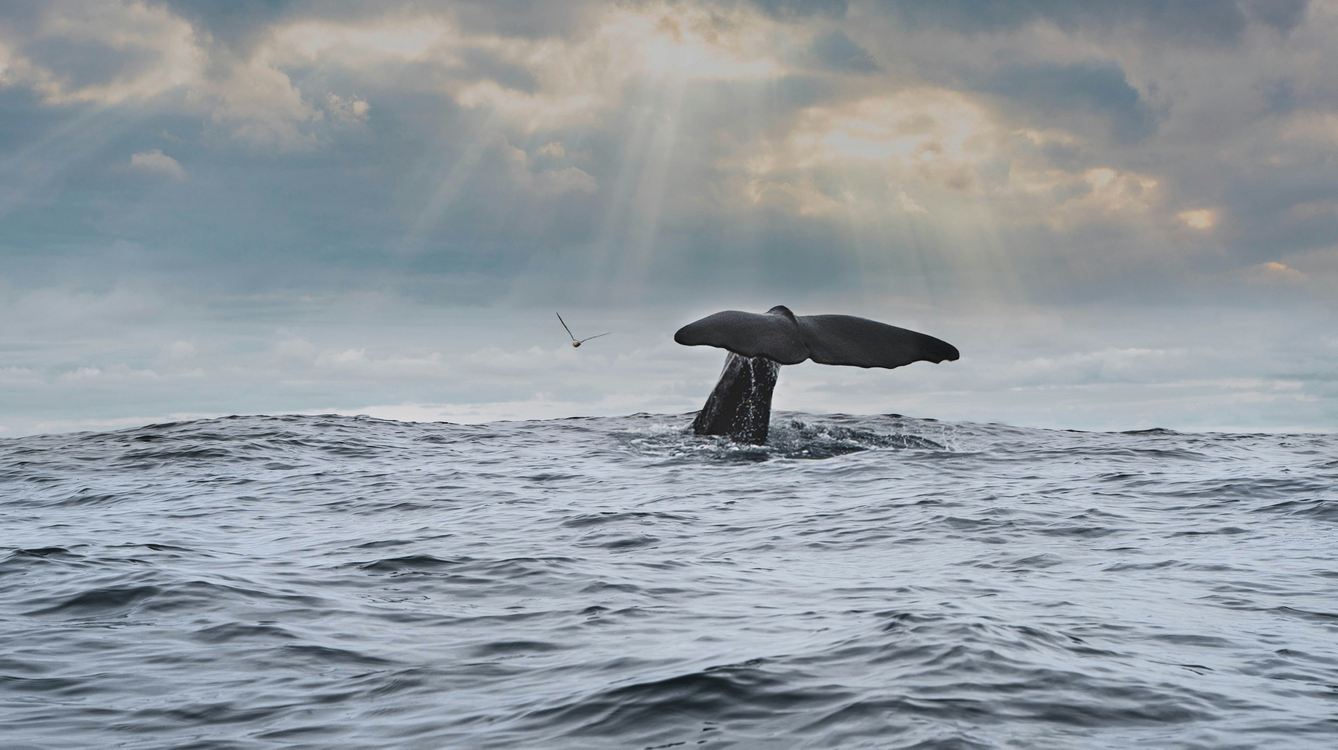
The population of humpback whales around the world continues to climb ever higher, as do the records for numbers of sightings in single whale-watching seasons. In Brazil’s renowned Guanabara Bay, whale watching trips are becoming popular thanks to an increase in the population of humpbacks from 2,000 in 1986, to around 35,000 today. Every year, the giant marine mammals migrate from Antarctic feeding grounds to warmer waters to breed. The population that passes Guanabara and Rio de Janeiro head towards Abrolhos Bank, a coral reef region spanning the coasts of the Brazilian states of Bahia and Espirito Santo, one of the most biodiverse areas of the Atlantic. This occurs between June and November, when the animals are squarely within the lenses of cameras from groups like the Humpback Whale Project, Amigos da Jubarte (Friends of the Humpback Whale) and the Niteroi tourism agency’s whale-watching program; members of which spoke with ABC News in the US and AP about their experiences seeing these tremendous animals. “It’s wonderful,” says Enrico Marcovaldi, co-founder of the Humpback Whale Project. “It shows that the whales are making a recovery, are healthy and thriving, and hopefully they’ll continue to do so.” “Tourism can be a tool
Read More
Humpback Whale Watching Surges in Brazil Where Population Has Grown 27-fold Since …
Humpback Whale Watching Surges in Brazil Where Population Has Grown 27-fold Since …