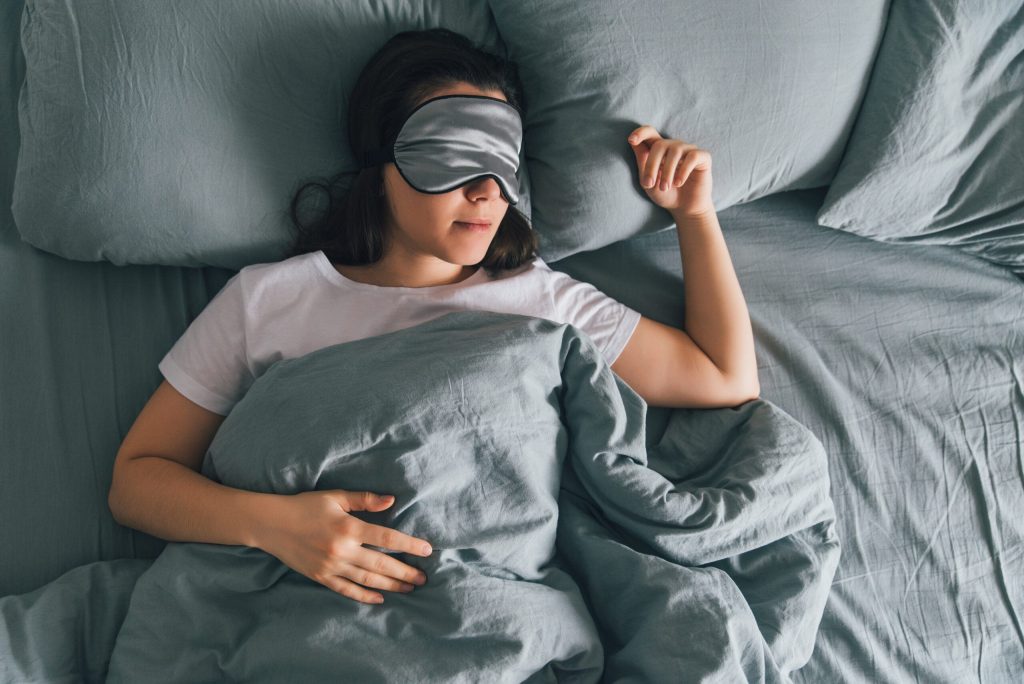
Health As people turn to the social media platform for improved sleeping practices, researches found that the most popular videos overwhelmingly contain misinformation and bias. In a new study, researches found that the most popular videos on YouTube are often created by non-medical experts and contain misinformation and bias. (Adobe Stock) Doctors are warning people looking for sleep advice to stay away from YouTube. A new study conducted by researchers at Brigham and Women’s Hospital found that sleep advice people get from YouTube videos is overwhelmingly biased and misleading. Researches found that as people struggling with shut-eye turn to the social media platform for sleep advice, they often watch videos created by bloggers rather than health professionals, and more than 90% of these videos contained some level of misinformation. “It really is important to be careful about where you get your health information from,” Dr. Rebecca Robbins, an instructor in medicine at Harvard Medicine School and “sleep scientist” and Brigham and Women’s Hospital told Boston.com. “We will note that some of the claims, while not particularly life-threatening per se…were really provocative because they [were] attention-grabbing.” Researchers sorted through the top 21 YouTube videos relating to sleep and insomnia advice, and
Read More
Looking for sleep advice? Brigham & Women's doctors say give YouTube a rest