
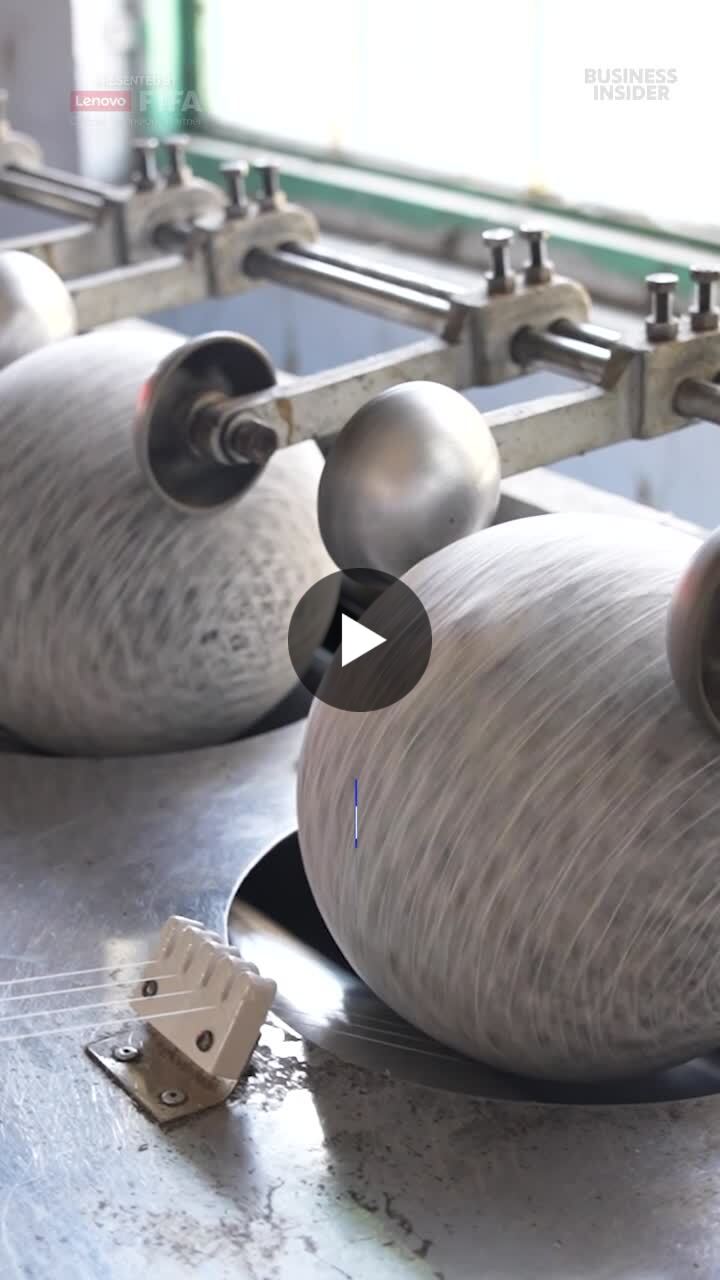
Sialkot, Pakistan, is one of the world’s most important football-making hubs, but FIFA certification remains limited to a select group of manufacturers. At Bola Gema, footballs undergo rigorous performance testing before approval. The process requires precision, and steep fees that can add up quickly — but certification can also open the door to major World Cup demand. Watch full video: https://lnkd.in/etKp_mim Like Comment Transcript This factory produces more than two million footballs a year. And right before the World Cup, demand excludes all across Sialkot, a city in Pakistan that makes about 70% of the world’s footballs. But only a small percentage of the roughly 1000 factories here are FIFA certified because they need to meet some of the toughest standards in sports manufacturing. Workers check the weight to make sure it meets the FIFA standard of 410 to 445 grams. To keep things fair, all balls should weigh the same. If they’re too light, they could easily be pushed around by the wind. If they’re too heavy, they would be difficult for players to control and could even hurt them. That’s why Bola GEMA has a lab where they run select samples through a series of performance tests. Samples
Read More
Sialkot, Pakistan, is one of the world’s most important football-making hubs, but FIFA … – LinkedIn
Sialkot, Pakistan, is one of the world’s most important football-making hubs, but FIFA … – LinkedIn