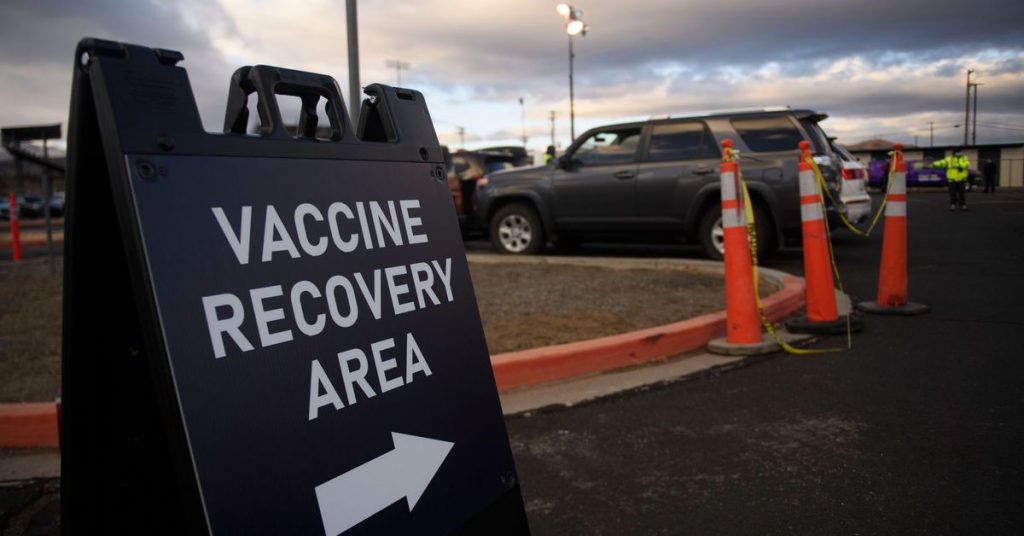
Social media companies like Facebook and YouTube have ramped up their policies against coronavirus misinformation and banned false claims about Covid-19 vaccines. But as distribution of the vaccines begin, online accounts are exploiting loopholes in new policies and successfully sharing misleading claims that attempt to discourage vaccination. Throughout the pandemic, platforms have established and updated rules meant to curb false claims related to Covid-19. Between March and October, Facebook took down 12 million pieces of content on Facebook and Instagram, and it added fact-checking labels to another 167 million posts. But the rollout of an authorized Covid-19 vaccine has forced social media companies to adapt again, changing their approach to both Covid-19 misinformation and longstanding anti-vaccination content. There are already plenty of examples of online content that sow doubt in Covid-19 vaccines. Posts that suggest vaccination is part of a government scheme and memes that imply that the vaccine comes with extreme side effects either aren’t being caught by the platforms or don’t appear to violate their rules. The platforms aren’t just contending with anti-vaccination communities. Conspiracy theorists, conservative groups, fringe outlets, » Read More
Social media companies are already losing the vaccine misinformation fight

- Categories: Facebook
Related Content
New Meta One Subscriptions for Instagram and Facebook Launch - The Hollywood Reporter
By
Facebook Editor
September 15, 2026
Agents' Links to 'Racist' Facebook Group Is Brady Material - Metropolitan News-Enterprise
By
Facebook Editor
September 15, 2026
Blugolds Wrap Up D3 Classic in Seventh Place - University of Wisconsin, Eau Claire
By
Facebook Editor
September 14, 2026
Morganton mom starts Facebook page for parents of autistic kids
By
Facebook Editor
September 14, 2026
Warriors Show Fight in Competitive Match Against No. 12 Southwest Minnesota State
By
Facebook Editor
September 13, 2026