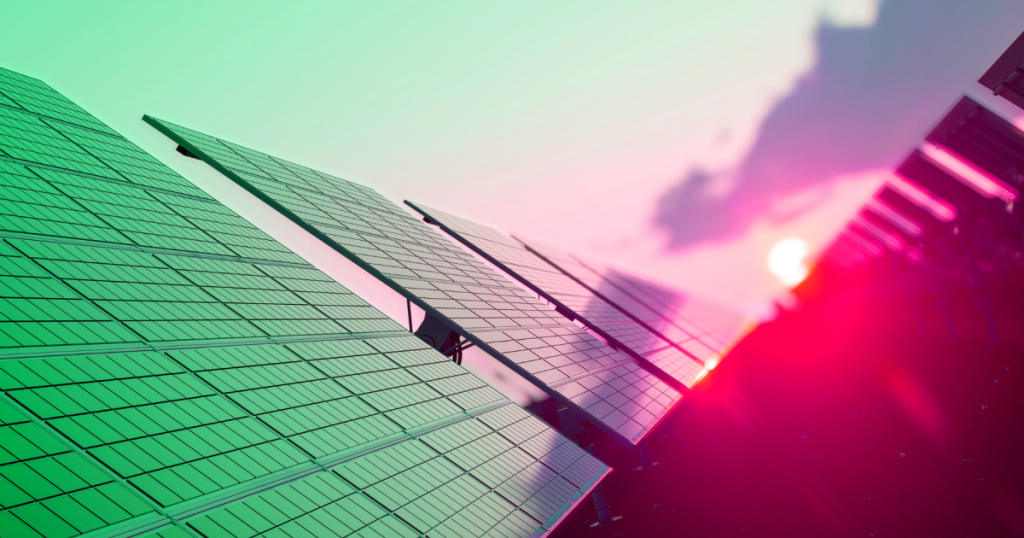
Scan the #solarpunk hashtag on Tumblr or the 30,000-plus-member r/solarpunk subreddit and you’ll likely encounter several examples of a certain subgenre of architectural rendering: dramatically geometric towers dotted with rooftop forests or tree-sprouting condos, far easier imagined than built. Or you might see the 3D-art cousin to such renderings — grander and greener still.So why, when I ask Jay Springett — longtime co-administrator of solarpunks.net — about what solarpunk looks like in practice, does he talk about an old phone box that was converted into a seed library?“That wouldn’t be out of place in a solarpunk story,” Springett said. “But also it’s real life”The humble example gets to the true crux of solarpunk. It centers ecological responsibility, and it maintains a fundamentally DIY impulse — community-minded, self-sustaining and, importantly, hopeful.Over the last six or so years, solarpunk has graduated from an aesthetic to something more akin to a practical movement, but it began in earnest primarily as a visual vocabulary and literary subgenre of science fiction. The “punk” suffix places it in a sci-fi lineage that includes dieselpunk, steampunk and cyberpunk, but the vision and iconography of solarpunk is dramatically different.In fact, Solarpunk is often framed specifically in opposition to…
Read More
Solarpunk Is a Tumblr Vibe. It's Also a Practical Movement.