
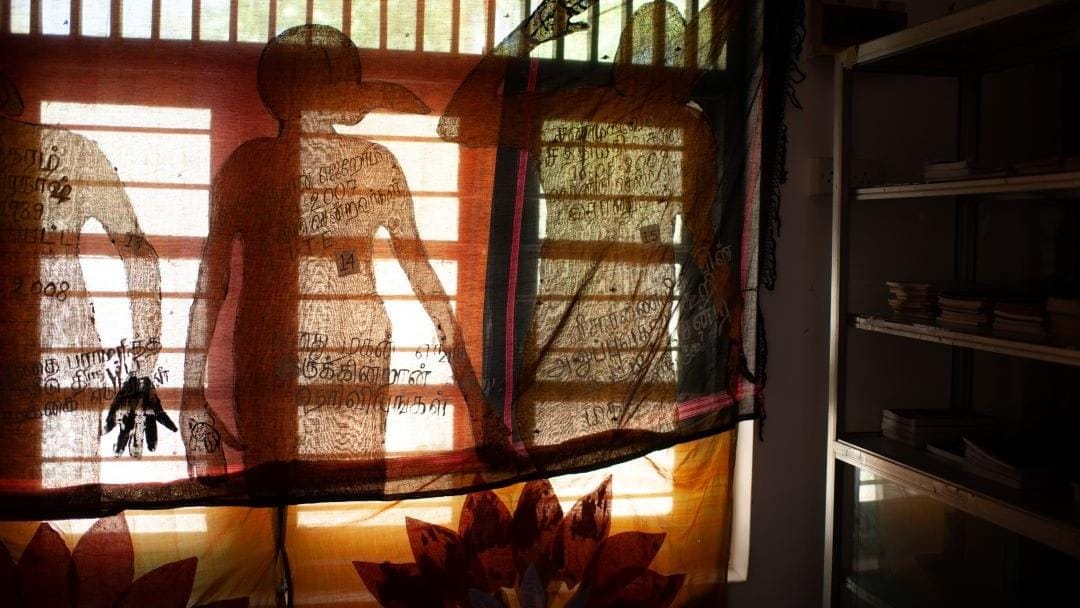
Saris painted by mothers of disappeared people as part of therapy. Undisclosed memorial for mothers of the disappeared. Mannar district. CRISIS GROUP / Julie David de Lossy The Sri Lankan government has long evaded the UN Human Rights Council’s requests that it hold accountable perpetrators of atrocities committed during the country’s 26-year civil war and since. Absent changes responsive to its concerns, the Council should keep up the pressure. Impunity has a long history in Sri Lanka. The country is haunted by the ghosts of injustices occurring in both the distant and recent past. Traumatic centuries of Western colonialism left a brutal legacy scarcely acknowledged by the states at fault. 2023 marked the 40th anniversary of Black July – the days of state-sanctioned mob violence that, in 1983, killed some 3,000 Tamils, forced hundreds of thousands into exile, destroyed considerable property and plunged the country into full-scale war. More recent still are the unanswered crimes of the bloody final months of the 26-year civil war that ended in 2009. As government forces cornered the Tamil Tigers in the island’s north, eventually defeating the rebels, they also killed tens of thousands of civilians. Mothers of the thousands of missing, many of
Read More
Sri Lanka Needs Truth, but Not (Yet) a Truth Commission | Crisis Group
Sri Lanka Needs Truth, but Not (Yet) a Truth Commission | Crisis Group