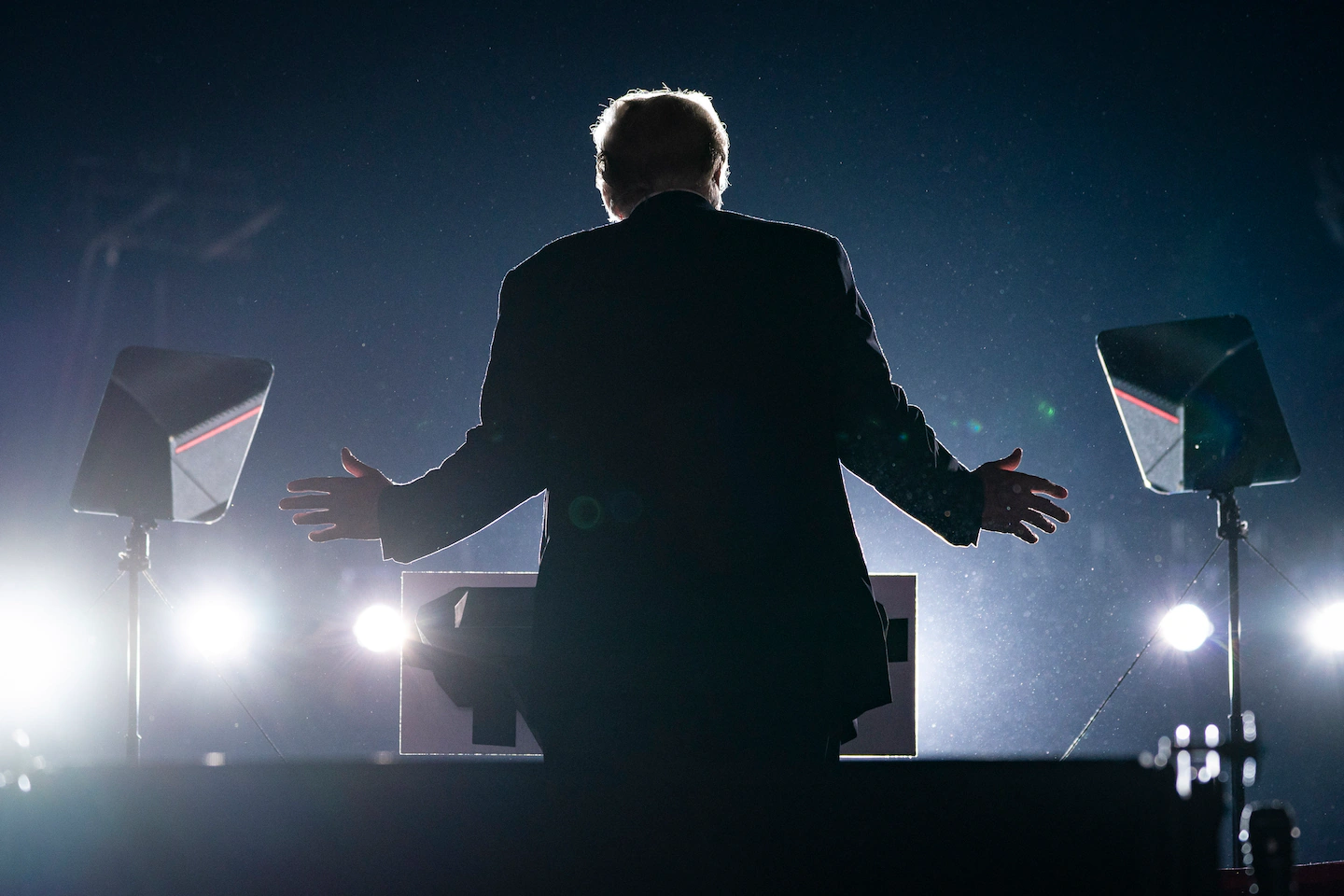
But there’s another, more conceptual debate that transcends partisan politics and carries implications beyond Trump’s freedom to tweet. It’s the question of whether the largest social media companies have become so critical to public debate that being banned or blacklisted by them — whether you’re an elected official, a dissident, or even just a private citizen who runs afoul of their content policies — amounts to a form of modern-day censorship. And, if so, are there circumstances under which such censorship is justified?Story continues below advertisementThe answers aren’t straightforward.Trump, for his part, has routinely characterized his own deplatforming as censorship. In July, he sued Facebook, Twitter and YouTube parent company Google in federal court, arguing that they had violated his First Amendment rights to speak freely. Legal scholars say that argument is unlikely to fly: The First Amendment generally protects Americans from undue speech restrictions by the government, not by private companies.In the meantime, Trump’s exile from social networks hasn’t exactly muzzled him. Through news releases, mass emails, media appearances and rallies, the former president still commands a vast audience and remains a potent force in American politics.Story continues below advertisementStill, research has shown that his online reach has been…
Read More
Tech giants banned Trump. But did they censor him? – The Washington Post