
In 2011, I appeared on an RTÉ Radio documentary called #TwitteronTrial in which presenter Pat O’Mahony and a panel of Twitter afficionados tried to convince me of the worth of the four-year-old microblogging platform. On air, I sceptically set up a profile. In the succeeding months I learned its worth as a journalistic tool and proceeded to get addicted to its endless stream of breaking news, novelty and argument. Two weeks ago, I deactivated that profile. I hadn’t posted there in some time due to changes Elon Musk had made to the platform since 2022, but I would check in occasionally. I was, by this point, unsurprised by the racism, misogyny and homophobia on the platform but I was not expecting the huge number of non-consensual deep-faked porn images users were posting of any woman or child whose image could be found online. Twitter had, within years of its founding, re-engineered how global discourse worked. It was the place which helped foment the Arab Spring revolutions, where politicians and public figures made public announcements and where people went for a snapshot of current events. Within a year of Elon Musk’s purchase, it was a site riddled with bigotry where you
Read More
The rise and fall of Twitter: From a hub for democratic discourse to a bigoted, toxic sinkhole
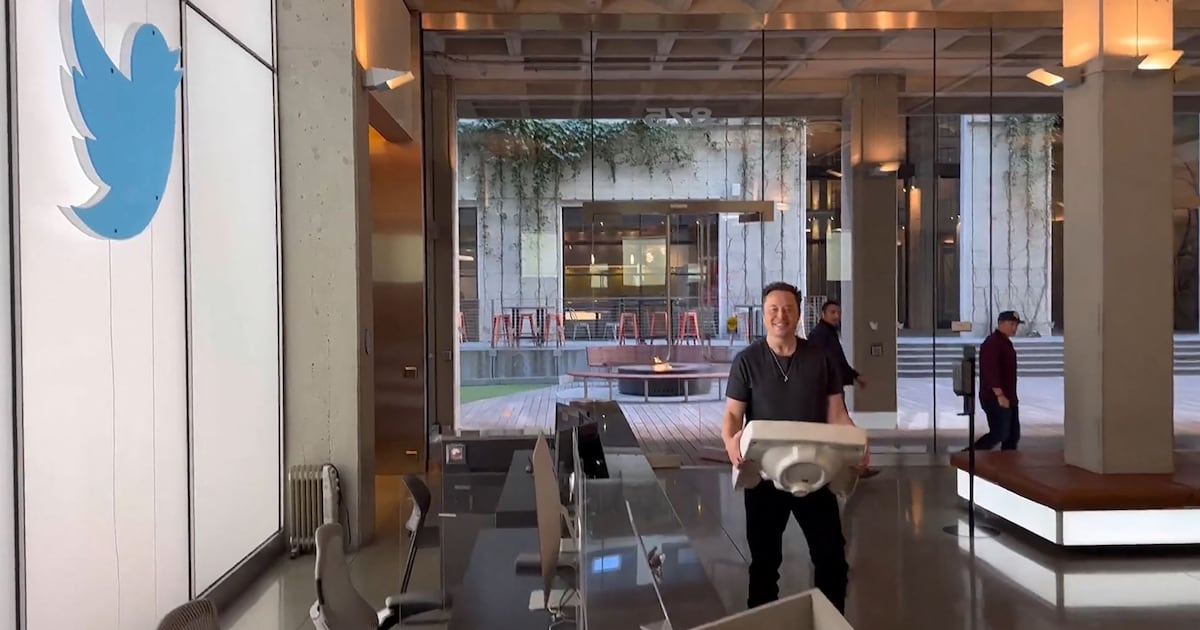
The rise and fall of Twitter: From a hub for democratic discourse to a bigoted, toxic sinkhole