
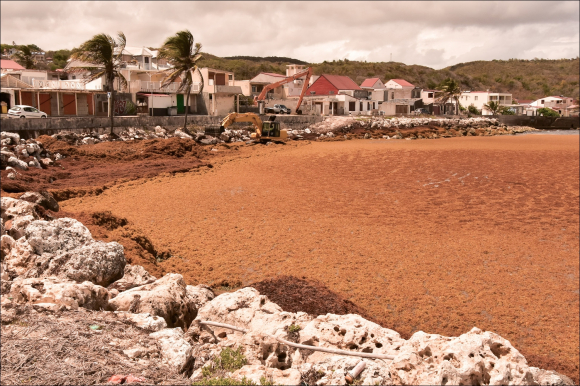
Introduction to Sargasses Sargasses, or sargassum, are brown algae that float on the ocean surface, forming extensive mats that can stretch for miles. Known for their ecological importance, these seaweeds play a vital role in marine ecosystems, providing habitat and food for numerous marine species. As climate change drives shifts in ocean conditions, understanding the trends and management of sargasses has become increasingly important. Recent Events Related to Sargasses In recent years, particularly across the Caribbean, researchers have observed significant increases in sargassum blooms. In 2023, vast quantities of sargassum have washed up on the shores of tourist destinations like Playa del Carmen and the Bahamas, interrupting local tourism and threatening marine biodiversity. The phenomenon has been attributed to a combination of factors, including nutrient runoff from agriculture, warming ocean temperatures, and changes in ocean currents, all exacerbated by climate change. According to the University of South Florida’s Optical Oceanography Lab, 2023 has seen one of the largest sargassum blooms recorded, with an estimated 24 million tons of the algae reported in the Atlantic Ocean. These blooms not only disrupt local economies but lead to the death of marine life as the decaying algae depletes oxygen in the water. Ecological
Read More
Understanding Sargasses and Their Environmental Impact – Info Petite Nation
Understanding Sargasses and Their Environmental Impact – Info Petite Nation