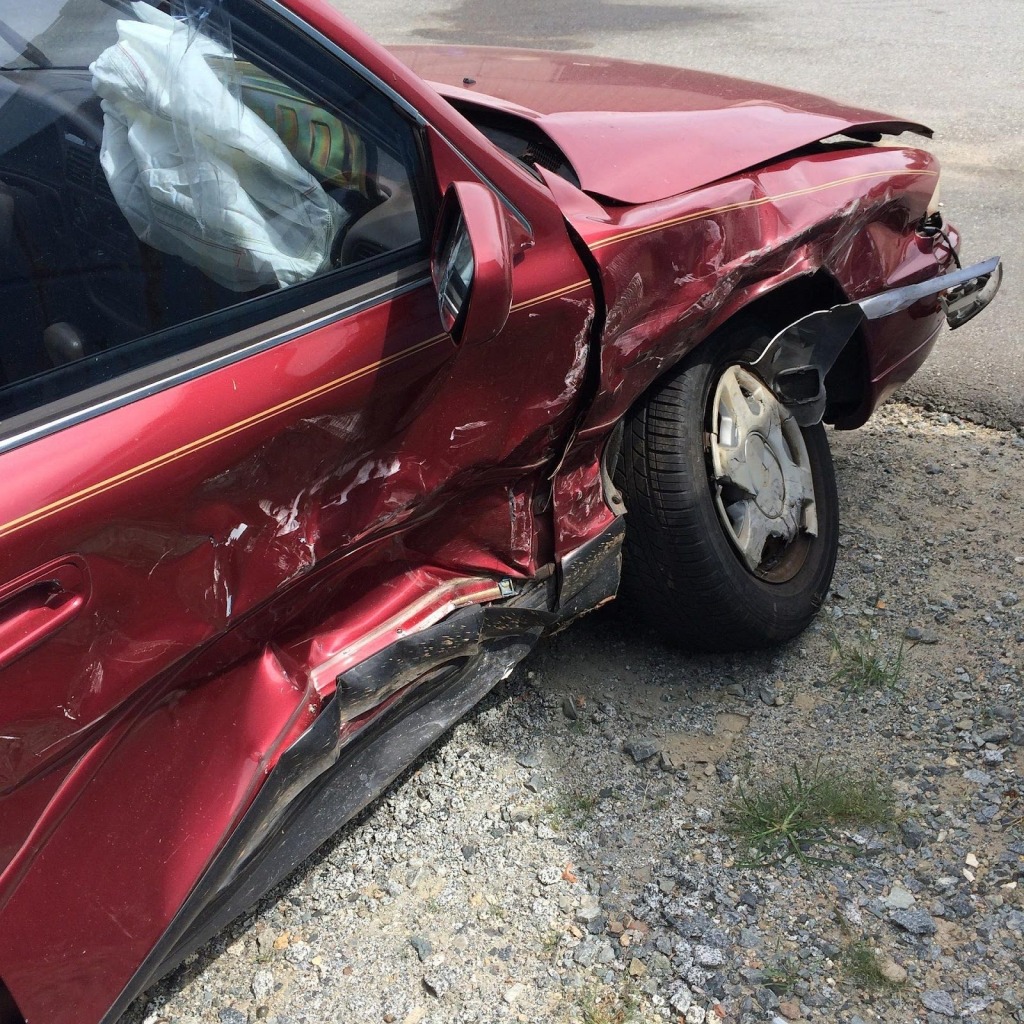
Head-on collisions are a type of car accident that can be particularly dangerous. They occur when two vehicles traveling in opposite directions collide with each other, usually at high speeds. The impact of a head-on collision can cause severe injuries or fatalities, making them one of the most dangerous types of car accidents. In this article, we will explore why head-on collisions are dangerous by looking at the physics involved, the types of injuries that can result from them, and ways to prevent them. The Physics of Head-On Collisions When two vehicles collide head-on, the force of the impact is spread across the entire front end of both vehicles. The speed and weight of the vehicles involved determine the amount of force generated by the collision. The greater the speed and weight of the vehicles, the greater the force. According to the laws of physics, the force generated by the collision is equal to the mass of the vehicle multiplied by the acceleration it undergoes (more details). When two vehicles collide head-on, the acceleration experienced by each vehicle is equal to the speed at which it was traveling before the collision. For example, if two cars traveling at 50 mph
Read More
Why Are Head-On Collisions Dangerous? – Critical Hit