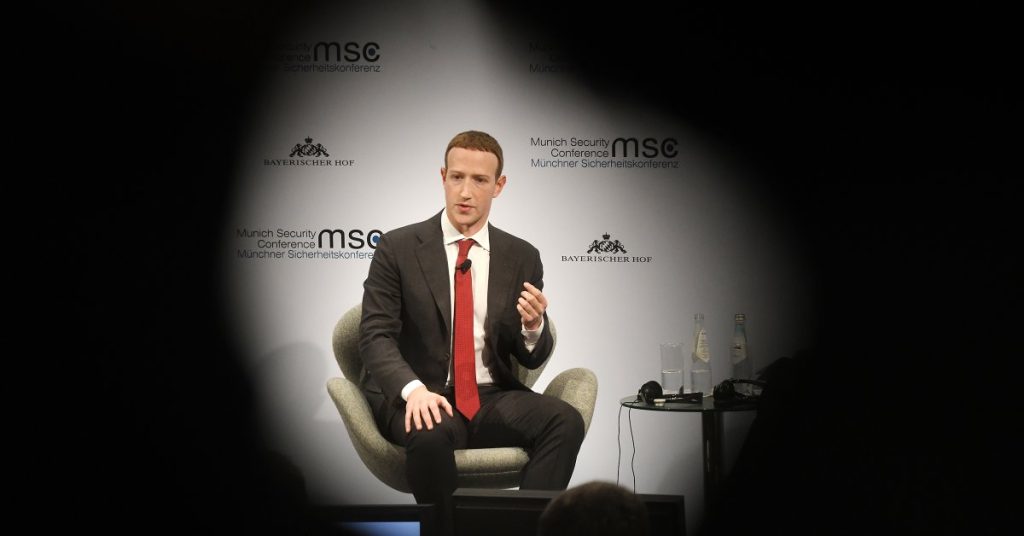
In May 2019, a video purporting to show House Speaker Nancy Pelosi inebriated, slurring her words as she gave a speech at a public event, went viral on Facebook. In reality, somebody had slowed the footage down to 75% of its original speed. On one Facebook page alone, the doctored video received more than 3 million views and 48,000 shares. Within hours it had been reuploaded to different pages and groups, and spread to other social media platforms. In thousands of Facebook comments on pro-Trump and rightwing pages sharing the video, users called Pelosi “demented,” “messed up” and “an embarrassment.” Two days after the video was first uploaded, and following angry calls from Pelosi’s team, Facebook CEO Mark Zuckerberg made the final call: the video did not break his site’s rules against disinformation or deepfakes, and therefore it would not be taken down. At the time, Facebook said it would instead demote the video in people’s feeds. Inside Facebook, employees soon discovered that the page that shared the video of Pelosi was a prime example of a type of platform manipulation that had been allowing misinformation to spread unchecked. The page—and others like it—had built up a large audience not…
Read More
Why Facebook Employees 'Deprioritized' Misinformation: Docs | Time