
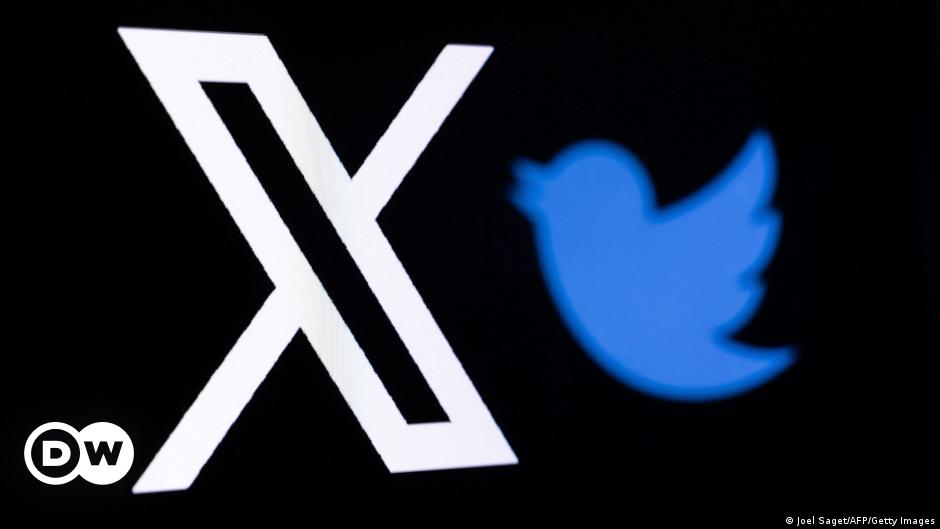
On October 27, 2022, the world’s richest man, Elon Musk, officially took ownership of Twitter Inc., tweeting, “The bird is freed.” Shortly thereafter commenced the firing of top executives, a series of controversial layoffs (about half of its 7,500 staff) and the rebranding of one of the world’s best-known brands to “X.” Launched in Silicon Valley in 2006, Twitter started out as a microblogging platform that allowed users to share 140-character posts, or “tweets.” By December 2022, Twitter had over 368 million active users worldwide, according to data from eMarketer/Insider Intelligence, and was credited with facilitating social protest movements from the Arab Spring and Black Lives Matter to the #MeToo movement. Twitter is by no means the biggest social media platform in terms of the number of active users — it trails Meta’s Facebook and Instagram and others by far — but it has long punched above its weight in terms of influence. Political leaders, companies, news media organizations, journalists and celebrities have all used the platform to communicate and brand-build among a largely media-savvy global community. Before closing his $44 billion (€41.5 billion) deal to buy Twitter, Musk proclaimed the platform served as “the de facto public town square” and questioned its commitment to freedom
Read More

Saturday, August 22, 2026

Saturday, August 22, 2026
Twitter: How Elon Musk changed X in one year – DW

ADVERTISEMENT
- Trending
- Comments
- Latest








We bring you the best news, updates, reviews, and events coverage surrounding the worlds top Social Network Companies.
