
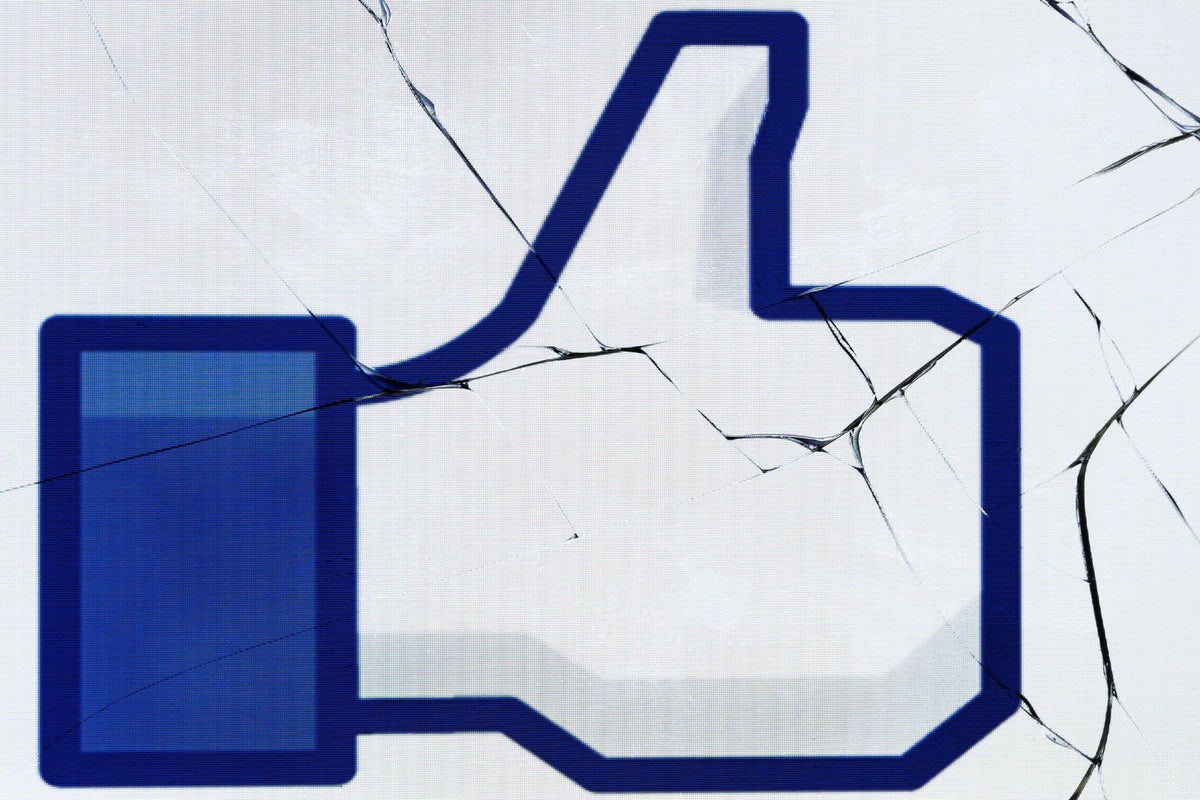
On 9 February 2009, a button appeared that would change the internet forever. Billed as an “easy way to let people know that you enjoy it”, the Facebook “Like” feature brought an end to the digital scrapbooked timeline and introduced an algorithm-driven machine that no longer delivered content chronologically. Posts were instead prioritised by popularity rather than recency, based on this new quantifiable data point. People’s feeds soon shifted from pictures of friends, family and their pets, to those of celebrities, brands and topic pages. It paved the way for terms like “viral”, “content creator” and “influencer”, and marked the end of social networks and the beginning of social media. Other platforms like Instagram and Twitter eventually followed this approach, before TikTok supercharged the paradigm with its ‘For You’ feed, which is widely considered to be the most aggressively optimised system for user engagement. The results have been devastating. The cracks became clear in 2016, when military-linked accounts in Myanmar began spreading hate speech on Facebook against the Rohingya minority in the country. A UN investigator later said that the company’s algorithm acted as a “beast” that fuelled ethnic cleansing on a massive scale. The algorithm became a tool to
Read More

Sunday, September 13, 2026

Sunday, September 13, 2026
How the Facebook ‘like’ button ruined the internet | The Independent

ADVERTISEMENT
- Trending
- Comments
- Latest






We bring you the best news, updates, reviews, and events coverage surrounding the worlds top Social Network Companies.
