
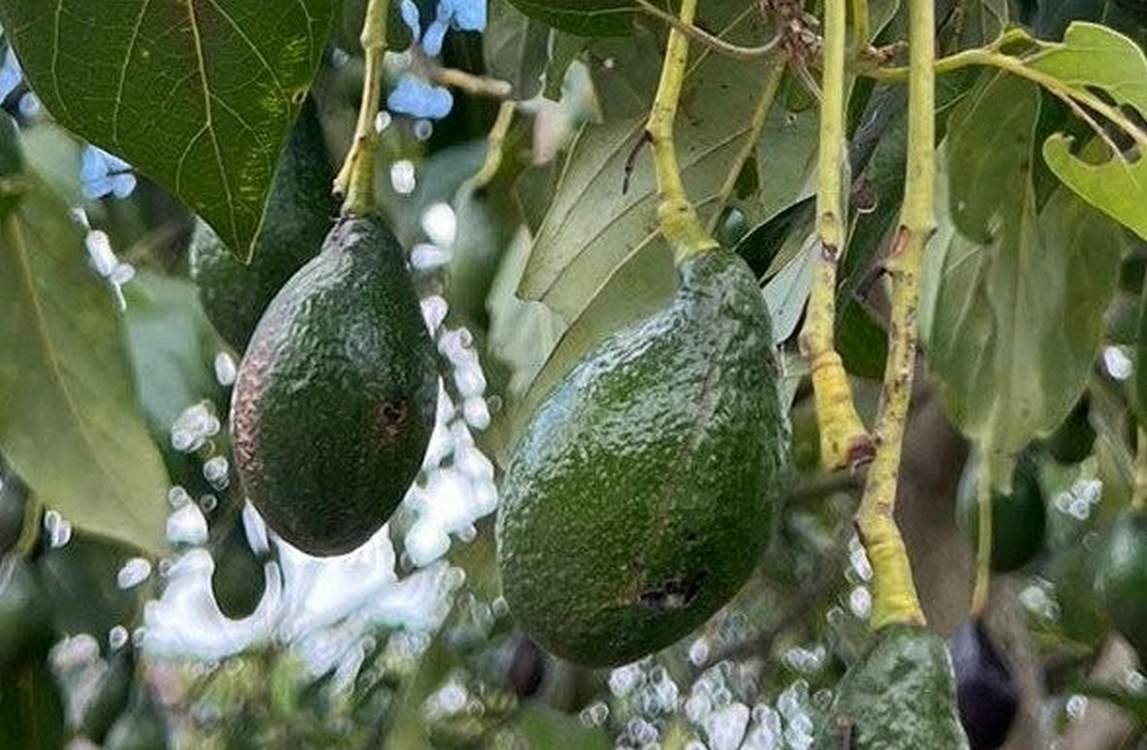
A close-up of the new avocado species – credit, Kevin Wann, via SWNS Scientists trudging through Nicaragua’s rainforest have identified a “hotbed” of avocado species diversity. The fruit was first transported hundreds of miles to Central America from South America around 5,000 years ago, and the American researchers uncovered genetic traces of this ancient migration in the fruit’s DNA. They suggest some of these species could aid in supply chain diversification, and boost sustainable agriculture and commercial varieties of the healthfood fruit. The natural range of avocado trees extends from Mexico to Peru, but study leader archaeobotanist Kevin Wann says there is “a much wider breadth of avocado diversity that science had not yet documented.” “We could potentially tap into this genetic diversity to conserve commercial avocado plants that are vulnerable to disease.” Key to their discovery and to this evolutionary diversity was the human-caused migration of the fruit from south to north. For more than 10,000 years, humans in the region have coveted the plant’s fruit, whose yellowish-green flesh is packed with nutrients and fats. As the seeds were dispersed throughout the humid lowlands of Central America, they hybridized with native plants, producing a diversity of avocado varieties. Despite
Read More

Friday, July 24, 2026

Friday, July 24, 2026
Discovery of New Avocado Types Could Lead to More Superfood Choices and Resilience

ADVERTISEMENT
- Trending
- Comments
- Latest






We bring you the best news, updates, reviews, and events coverage surrounding the worlds top Social Network Companies.
