
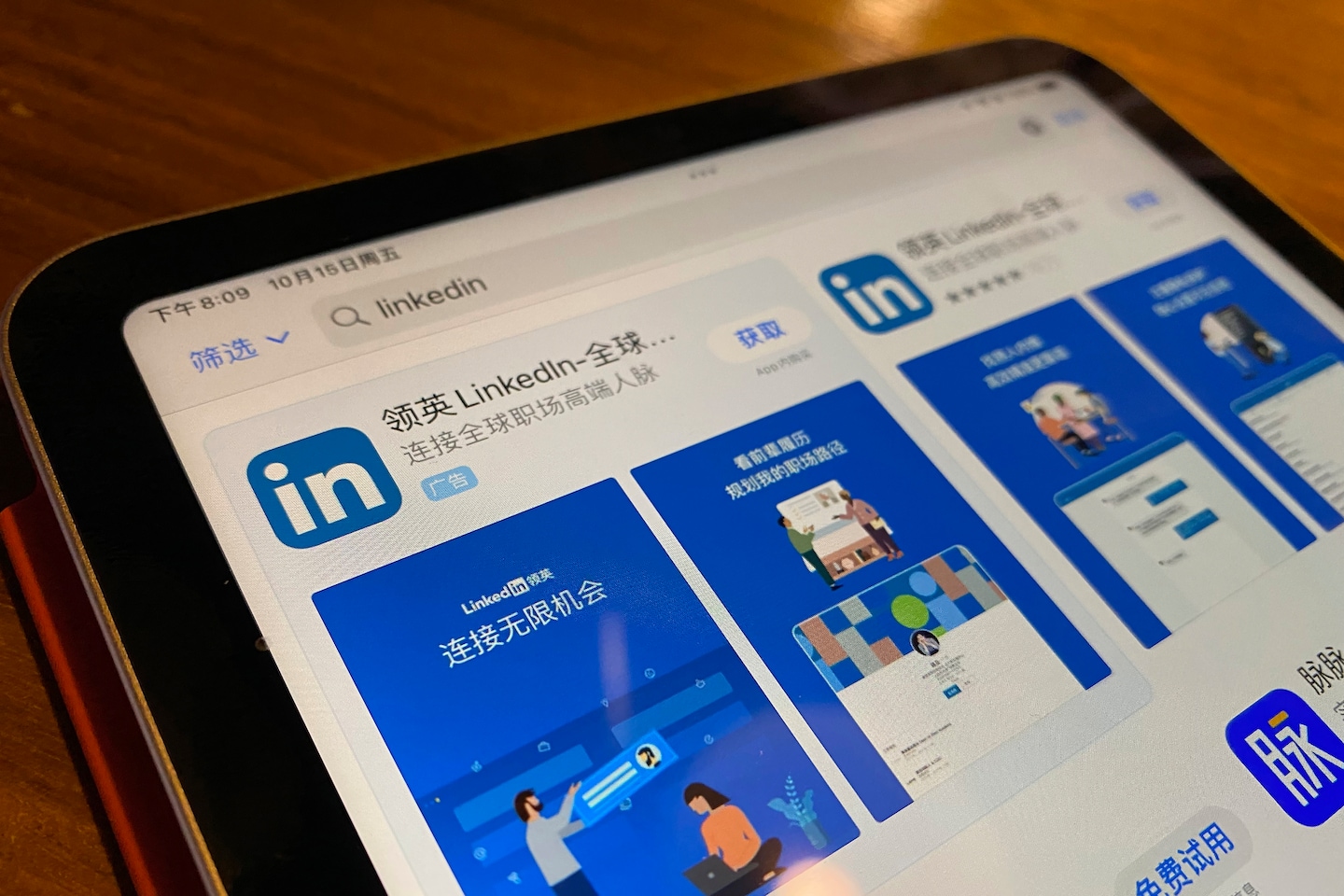
U.S. firms have done business in China with their eyes open: They will compromise on civil liberties, they know, yet they hope their compliance pays off — not only in revenue but also in the scintilla of liberalization a firm based in a democratic country can bring to an authoritarian one. Yet one by one, companies such as Twitter and Facebook have been blocked or, like Google, withdrawn of their own reluctant accord. They have discovered the demands made of them to censor information or fork over consumer data are too much, and the reward too little. In September, LinkedIn was embroiled in controversy over the removal of U.S. journalists’ profiles from the China app. The fracas followed the blocking of scholars and human rights activists living around the world.LinkedIn will shutter the Chinese version of its product in favor of a jobs board app stripped of shared posts or articles. The company mentions in the blog post announcing its decision a “significantly more challenging operating environment and greater compliance requirements”; it also mentions “freedom of expression.” The post’s equivalent in Chinese doesn’t include any of these terms, notes the news site Protocol. That just about sums up the problem.…
Read More

Tuesday, September 22, 2026

Tuesday, September 22, 2026
Opinion | LinkedIn was right to leave China. It's discouraging anyway. – The Washington Post

ADVERTISEMENT
- Trending
- Comments
- Latest






We bring you the best news, updates, reviews, and events coverage surrounding the worlds top Social Network Companies.
