
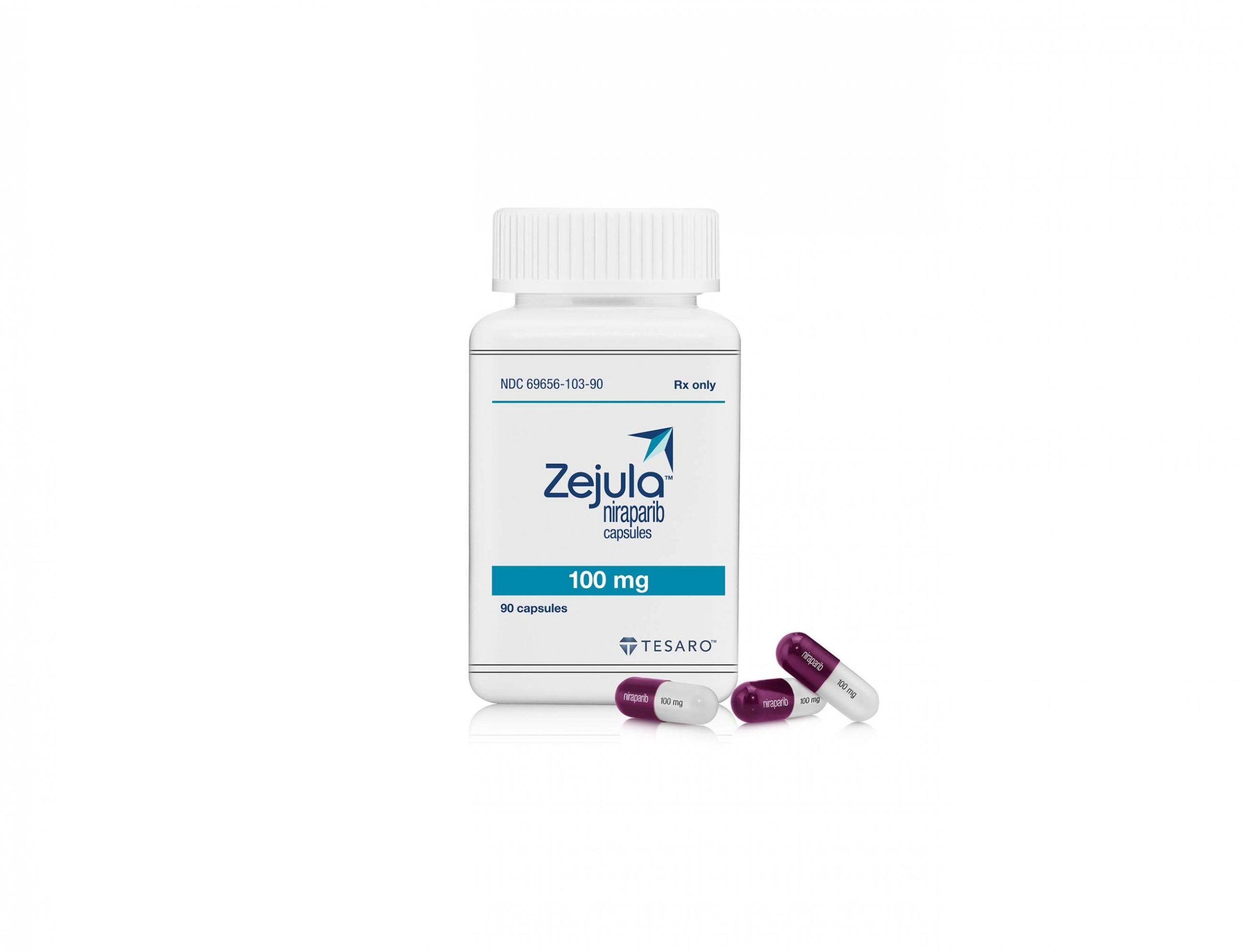
In 2017 and 2020, Zejula snagged broad FDA labels for ovarian cancer patients who responded well to a chemotherapy. But in prostate cancer, the PARP inhibitor appears to work only for a niche population—and that’s bad news for the drug in its ongoing fight for market supremacy against AstraZeneca and Merck & Co.’s rival Lynparza. In a late-stage clinical trial in patients with newly diagnosed metastatic, castration-resistant prostate cancer (mCRPC), the addition of Zejula to J&J’s Zytiga and prednisone slashed the risk of disease progression or death by 27% in patients with mutations in their homologous recombination repair (HRR) genes. The phase 3 data were unveiled at the American Society of Clinical Oncology Genitourinary Cancers (ASCO GU) symposium. But in patients without HRR abnormalities, Zejula didn’t show any efficacy benefit but instead added toxicity to the Zytiga-prednisone regimen. That part of the readout came in stark contrast to Lynparza’s win at ASCO GU in all patients in the same disease setting regardless of HRR status. By grouping patients into different cohorts by HRR status, J&J intentionally designed the phase 3 MAGNITUDE trial to examine which patients really benefit from the new Zejula combination, Mark Wildgust, Ph.D., vice president of global…
Read More

Tuesday, July 28, 2026

Tuesday, July 28, 2026
ASCO GU: J&J plays up precision therapy approach for Zejula's prostate cancer bid after …

ADVERTISEMENT
- Trending
- Comments
- Latest








We bring you the best news, updates, reviews, and events coverage surrounding the worlds top Social Network Companies.
