
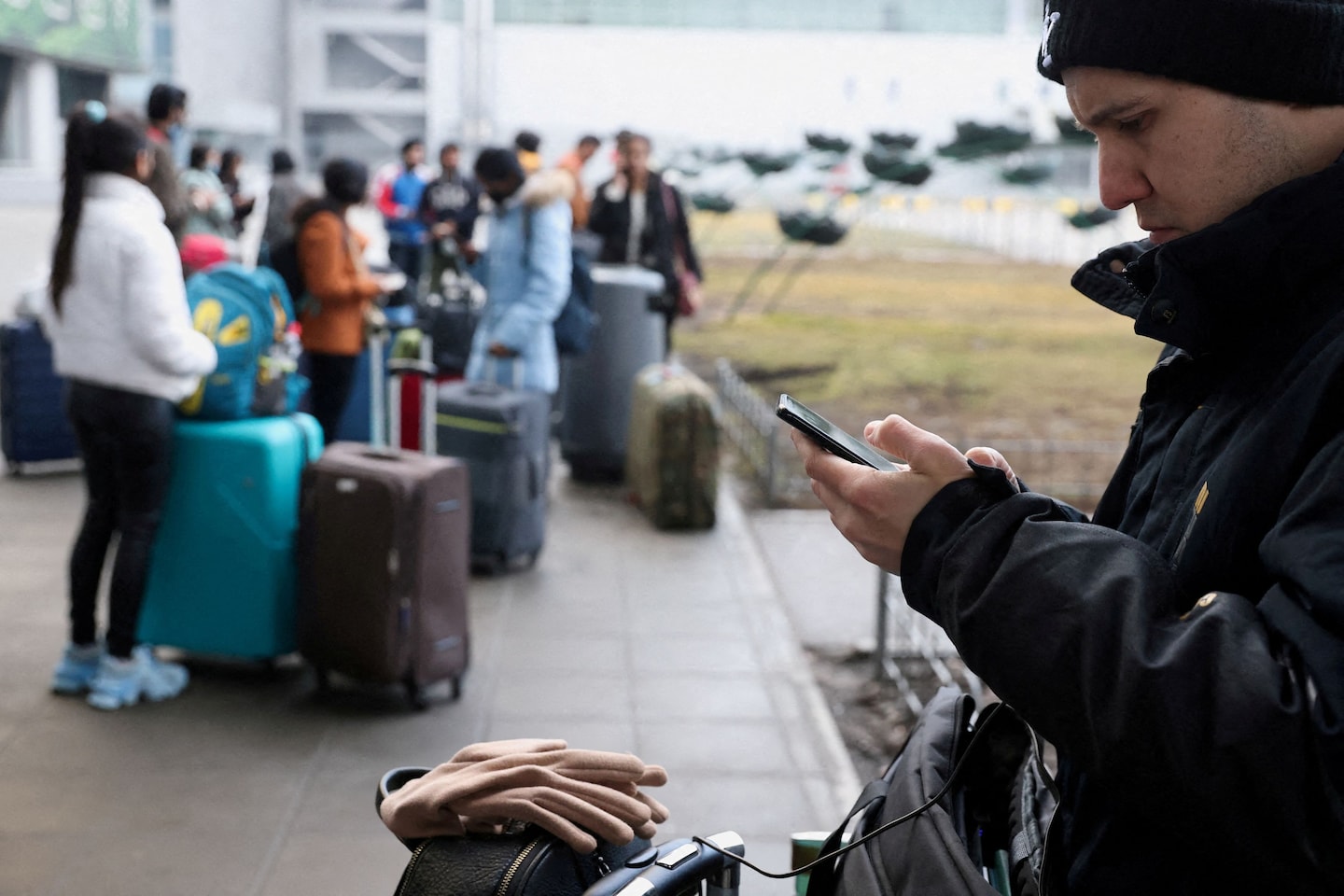
Yet for all of the visuals surging across the Internet, Alexander is unsure whether they are helping most people understand events in far-off battlefields. The intensity and immediacy of social media are creating a new kind of fog of war, in which information and disinformation are continuously entangled with each other — clarifying and confusing in almost equal measure.Story continues below advertisement“If you’re a normal person, and you go onto social media today, you’ll find it confusing,” said Alexander, 28, a mergers and acquisitions analyst for a start-up who for weeks has been spending his spare time analyzing Russian videos online for signs of fabrications. “If you don’t follow this in depth, you can be misinformed because there’s so much information being shot out in all directions.”Alexander has become an expert at seeing the often-subtle differences between Russian and Ukrainian tanks and weaponry. He’s learned to identify key Ukrainian landmarks. Most of all, he’s learned to study the latest videos for clues to what’s happening on the ground, while ignoring the written or spoken commentary he says is often misleading.The torrent of social media posts during Thursday’s attack on Ukraine harked back to the first live TV broadcasts of the…
Read More

Wednesday, October 28, 2026

Wednesday, October 28, 2026
Fog of war on social media platforms too as Russia-Ukraine conflict grows – The Washington Post

ADVERTISEMENT
- Trending
- Comments
- Latest







We bring you the best news, updates, reviews, and events coverage surrounding the worlds top Social Network Companies.
