
It’s 1.30 in the morning, and I’m about to watch a duel between magicians. One is a “demonolater”, a word I have never heard before – someone who claims they worship demons and can petition them in return for knowledge or power. The other describes himself as a “Solomonic magician”, and claims to be able to command demons to do his bidding, as some Jewish and Islamic traditions have believed of King Solomon, who ruled Israel in the 10th century BC.I first discovered this debate because, in the course of studying 16th-century books of magic attributed to Solomon, I found, to my astonishment, that “Solomonic magic” is still alive and well today, and growing in popularity. Twitter suggested to me that I might be interested in an account called “Solomonic magic”, and a few clicks later I found myself immersed in a vast online community of young occultists, tweeting and retweeting the latest theories and controversies and using TikTok to share their craft.To my further bemusement, it seemed that the tradition of Solomonic magic had recently faced accusations that its strict and authoritative approach to the command of demons amounted to a form of abuse, akin to domestic violence. As…
Read More

Tuesday, October 20, 2026

Tuesday, October 20, 2026
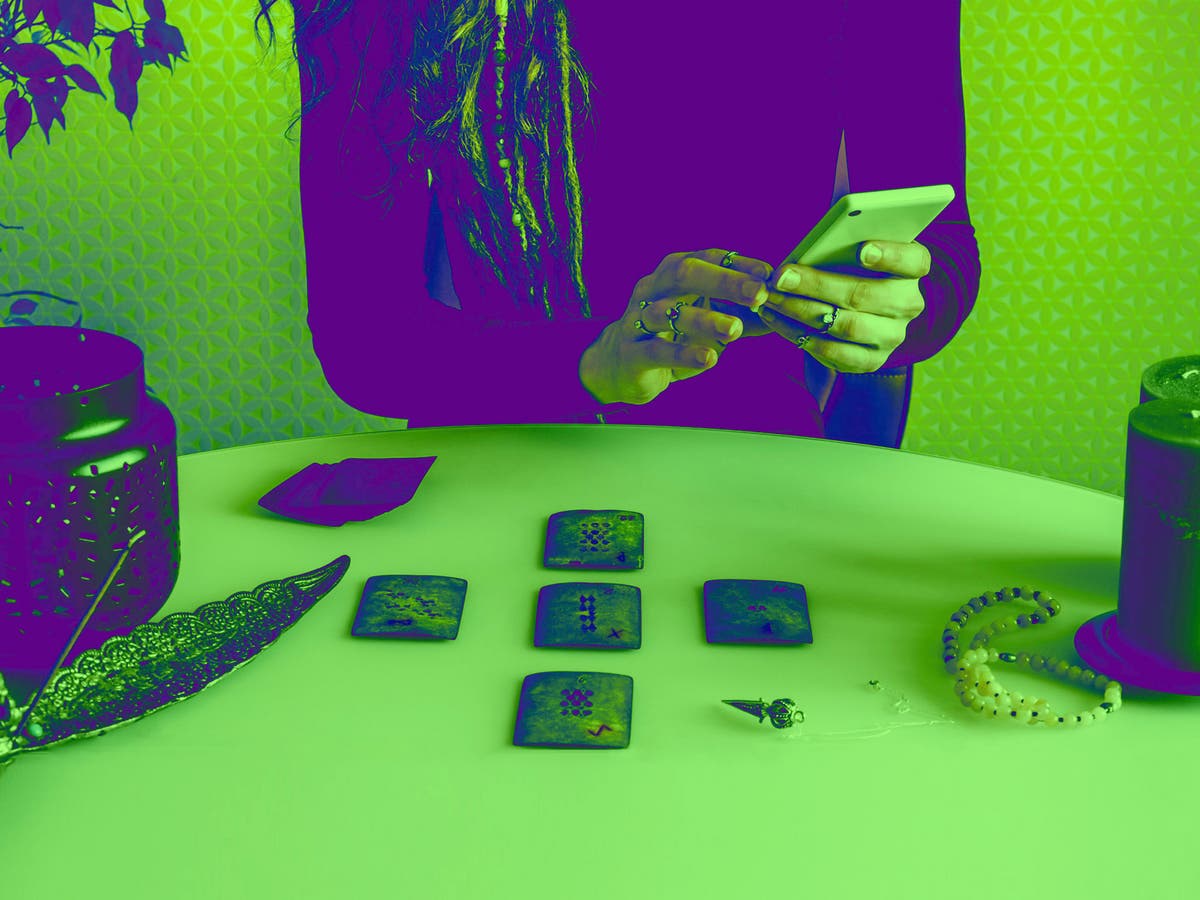
The witches of Twitch: how video-sharing sites are fostering a renewed fascination with the occult

ADVERTISEMENT
- Trending
- Comments
- Latest







We bring you the best news, updates, reviews, and events coverage surrounding the worlds top Social Network Companies.
