
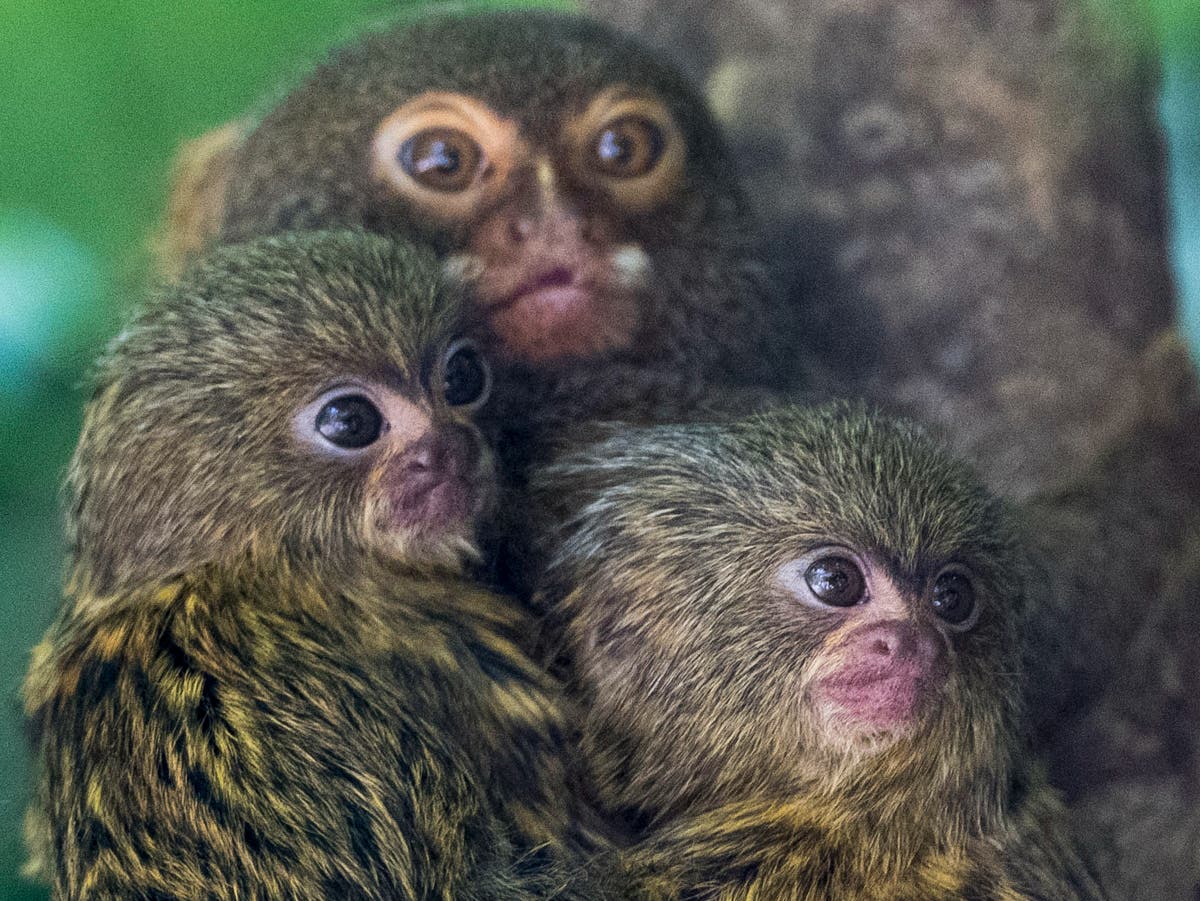
Facebook is a thriving marketplace for illegal wildlife trade, allowing “frightening” volumes of trafficking of endangered species, an investigation has found.The platform’s algorithms are actively boosting the spread of content by illegal poachers, so that they are seen by more people, researchers say.Posts of animals for sale included pygmy marmosets, the world’s smallest monkey, as well as tigers, leopards, pangolins and African grey parrots.The social campaign organisation Avaaz, which carried out the investigation, said the trade was having a devastating effect on biodiversity.It accused Facebook of systematically failing to enforce its own policies by both allowing the posts and also actively recommending similar content to that which researchers had already viewed.Facebook’s guidelines ban content seeking to buy, sell or donate endangered species or their parts.The investigators said they found 129 posts containing potentially harmful wildlife trafficking content in a matter of clicks just from Facebook’s search bar. They said it showed how “frightening volumes” of online harmful wildlife trafficking content goes unchecked.One Facebook page, since removed, called “Wildlife Trade, Pangolin Scale & Rhino Horn” appealed for bidders on their animals by posting a photo of a pangolin in a cage.In another instance, traders’ phone numbers were publicly displayed alongside videos…
Read More

Tuesday, October 27, 2026

Tuesday, October 27, 2026
Endangered animals for sale as illegal wildlife trafficking 'thrives' on Facebook – The Independent

ADVERTISEMENT
- Trending
- Comments
- Latest








We bring you the best news, updates, reviews, and events coverage surrounding the worlds top Social Network Companies.
