
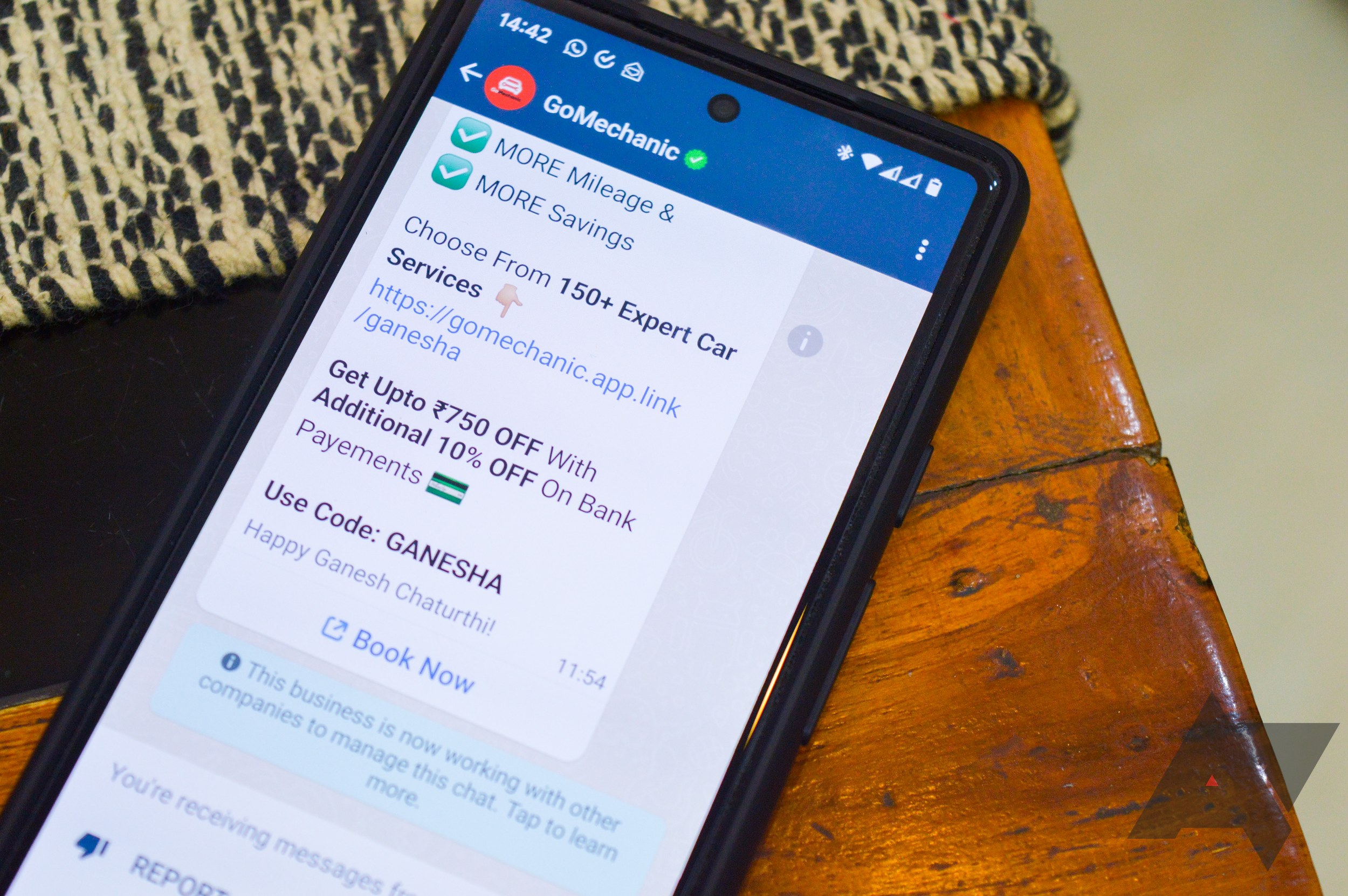
When visiting a store, whether it’s to get something fixed or to purchase something, you may be asked for your phone number. Then, within seconds of sharing it, you might receive messages from the store on WhatsApp, and some of those may have nothing to do with your recent visit. Why did this happen when the store didn’t ask for your consent to deliver updates and ads on WhatsApp? You may have noticed that the employee tablets have the option to toggle it off. However, it curiously stays on by default. Users in some of the biggest markets for WhatsApp, like India, routinely deal with scores of advertisements disguised as helpful business communication, especially after WhatsApp Business picked up the pace. A business account on WhatsApp allows companies to reach their customers where they are. No less than 400 million of them are in India making it the top encrypted messaging platform in the world. As advertisers realize the potential of a platform as big and ubiquitous as WhatsApp, unsolicited messaging has turned into a menace for users, making it hard to keep track of personal chats (paywall). The spam situation on WhatsApp is getting out of hand, considering the…
Read More

Saturday, August 15, 2026

Saturday, August 15, 2026
WhatsApp needs to make fighting spam its top priority – Android Police

ADVERTISEMENT
- Trending
- Comments
- Latest






We bring you the best news, updates, reviews, and events coverage surrounding the worlds top Social Network Companies.
