Before Google and Facebook
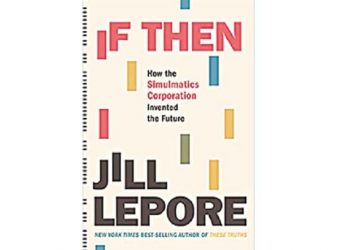
Book review of If Then: How the Simulmatics Corporation Invented the Future Topics Google | Facebook | big tech In late December 1960, Harper’s Magazine hit the newsstands with a story by a freelancer named Thomas Morgan: John F Kennedy’s razor-thin victory over Richard Nixon the previous month had been orchestrated by a top-secret computer called the “People Machine.” This mysterious device, which had been invented by an equally mysterious company called the Simulmatics Corporation, had, according to Harper’s, concluded that taking a firm stand on civil rights and confronting anti-Catholic bigotry directly, both of which Kennedy did, would help the young senator from Massachusetts win the presidency. In a period of rising anxiety about both communist brainwashing and automation, this was big news. The story of a “robot campaign strategist” analysing voter rolls and public opinion polls was picked up by media across the country. For a brief period, the scandal threatened to delegitimise Kennedy’s presidency before it had even begun. But the story, it turned out, was little more than a hacky publicity stunt by a company propagandist: Within a few months, Morgan, who’d edited the very Simulmatics reports he’d described in his magazine story, had been given an ownership stake in the company to go along with his title of “information manager.” Therein lies the paradox at the heart of If Then,Jill Lepore’s fascinating but flawed new book about the company she says “invented the future”: Her attempt to use Simulmatics as a parable for and precursor to “the data-mad and near-totalitarian 21st century” is hamstrung by the fact that it failed at almost everything it tried to do — oftentimes spectacularly so. Simulmatics, which opened up shop in 1959 and ceased operations in 1970, was the brainchild of a backslapping, glad-handing, résumé-faking huckster named Ed Greenfield. And what a shop...
Read moreDetails