
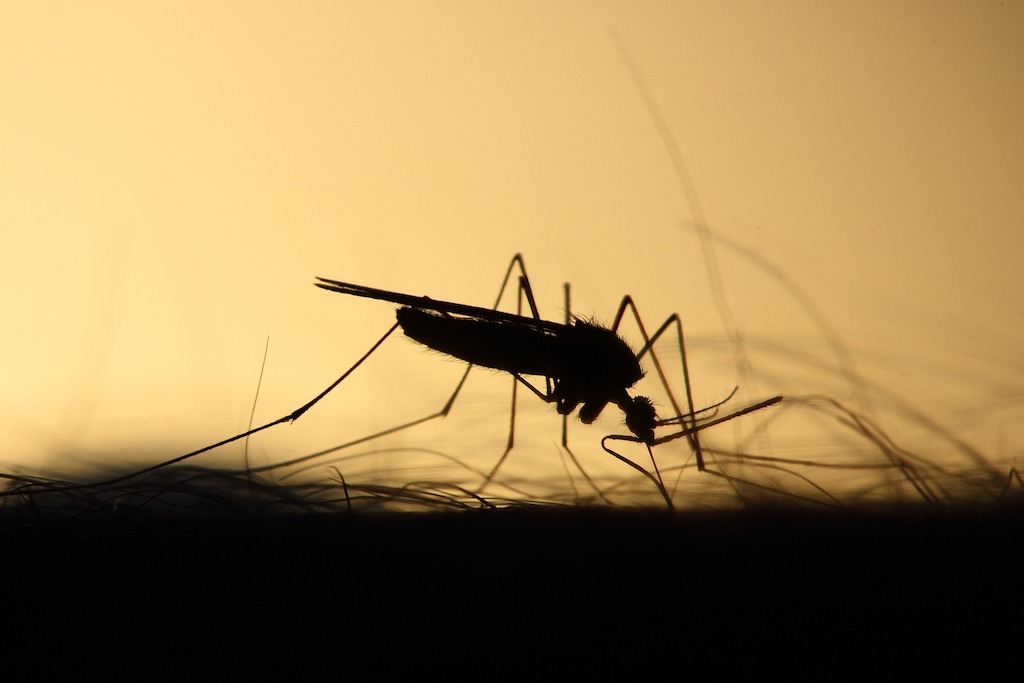
Texas A&M AgriLife Research scientists have tested a technology to make temporary genetic modifications in mosquitoes. The modifications self-delete over time. Texas A&M AgriLife Research scientists published an article detailing a mechanism to make temporary genetic alterations to mosquitoes. (Stock photo) The mechanism to make temporary genetic changes could be important for scientists hoping to modify mosquitoes in ways that help manage populations and prevent vector-borne diseases like West Nile virus without permanently altering wild populations’ genetic makeup. An article detailing their test results, “Engineering a self-eliminating transgene in the yellow fever mosquito, Aedes aegypti,” was published in Proceedings of the National Academy of Sciences’ PNAS Nexus. The authors, Zach Adelman, Ph.D., and Kevin Myles, Ph.D., both professors in the Texas A&M College of Agriculture and Life Sciences Department of Entomology, describe a method for programming the removal of edited genes within populations of mosquitoes over multiple generations. The method is a first step toward building safeguards for genetic modifications developed to control populations of mosquitoes and the vector-borne diseases they carry. The idea is to test proposed changes without making the changes permanent and without the risk of transmitting them to wild populations, Adelman said. “There are lots of ecological questions we…
Read More

Monday, October 12, 2026

Monday, October 12, 2026
Self-eliminating genes tested on mosquitoes – AgriLife Today

ADVERTISEMENT
- Trending
- Comments
- Latest







We bring you the best news, updates, reviews, and events coverage surrounding the worlds top Social Network Companies.
