
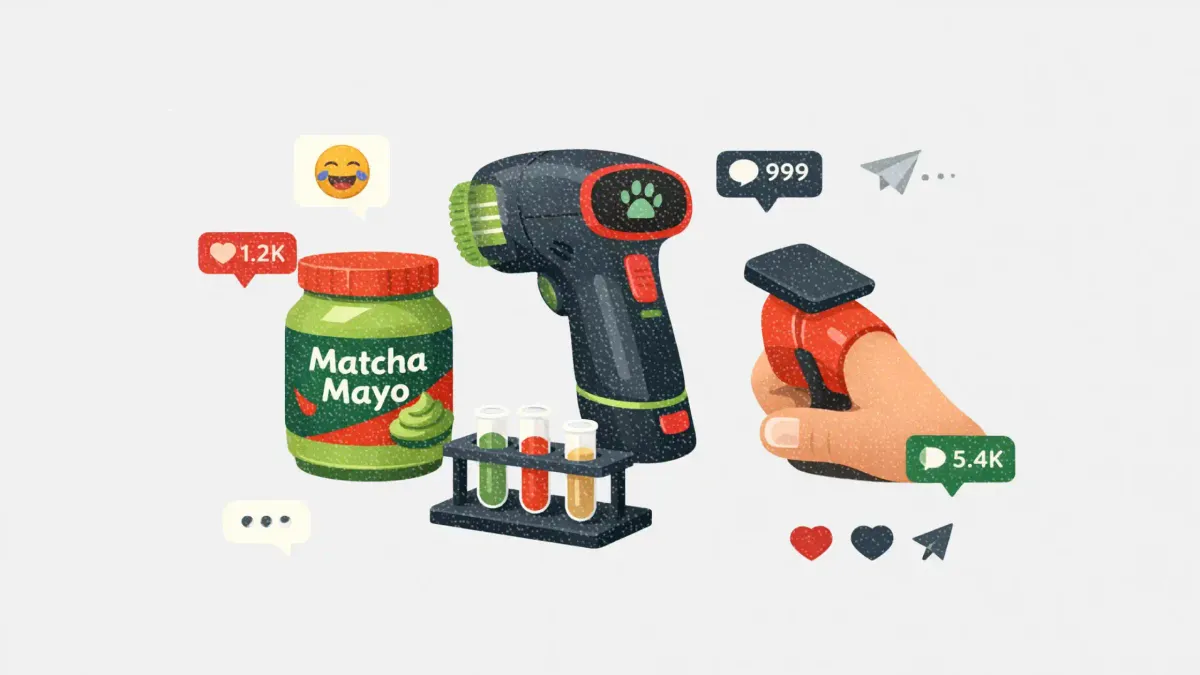
April Fool’s Day has always been marketing’s unofficial playground. But in 2026, brands didn’t just chase laughs. They engineered campaigns that felt believable enough to trigger curiosity, clicks, and in some cases, real purchase intent. From fake product drops to self-aware platform jokes, the real takeaway isn’t just creativity. It’s how brands are using humor as a low-risk testing ground for ideas that might actually work. This article explores the most notable April Fool’s Day brand stunts this year and what they reveal about modern marketing strategy, audience psychology, and platform-native storytelling. Short on time? Here’s a table of contents for quick access: What happened: the April Fool’s Day campaigns that got people talking Dyson Beauty pet range IKEA ALLËNKI wearable tool Cup Noodles heatless curls kit Yahoo Scrōll Stoppr Snapchat “Reals” rename Heinz matcha mayo Jetstar’s fixed 75-degree seats Ryanair’s “professional tone” switch Pepsodent sambal toothpaste Doritos 6-in-1 bodywash Liquid Death’s “house giveaway” KFC Singapore’s “April” giveaway McDonald’s Singapore Grimace protein shake Garrett Popcorn micro bag Why these pranks worked: the strategy behind the absurd 12 best marketing campaigns of all time From viral moments to brand movements, what the best campaigns teach modern marketers ContentGrip Patrecia Meliana What
Read More

Monday, August 24, 2026

Monday, August 24, 2026
April Fool’s campaigns 2026: brands spotlight and lessons – ContentGrip

ADVERTISEMENT
- Trending
- Comments
- Latest







We bring you the best news, updates, reviews, and events coverage surrounding the worlds top Social Network Companies.
