
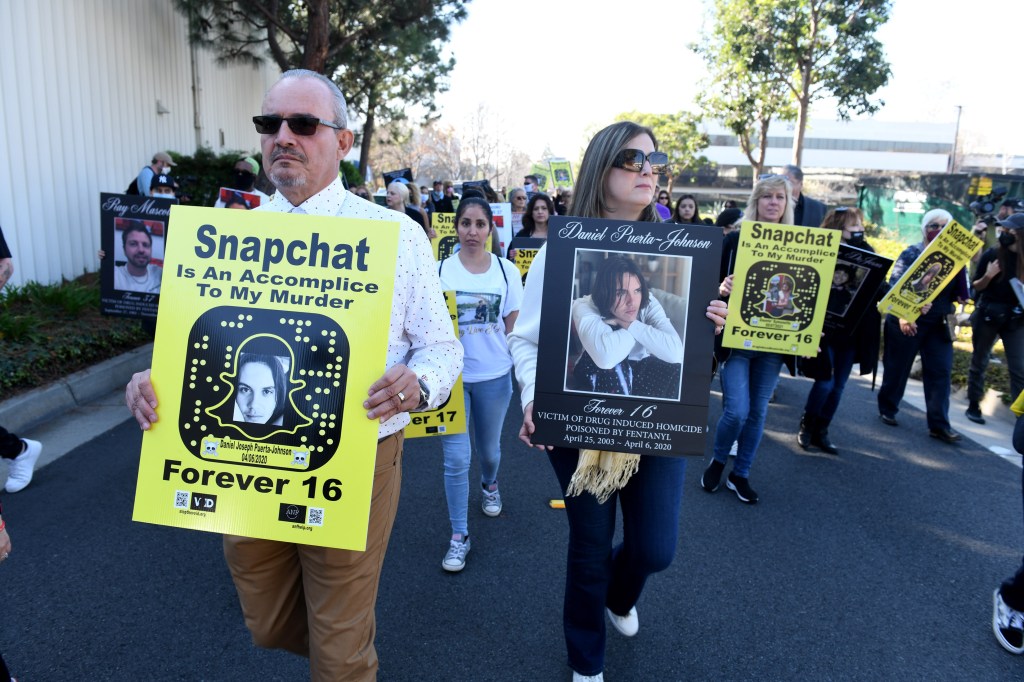
The last time I saw my son alive, nothing felt unusual. There was no warning, no flashing signals that something was wrong. Like so many parents, I believed the biggest risks to my child were the ones I could see — driving, drugs on the street and strangers in the physical world. I did what parents are taught to do: I stayed involved, asked questions and set boundaries. But the danger that took my son didn’t come from the outside world I understood. It came through an app, a system designed to connect instantly, privately and without friction, a system I could neither see nor control. Through Snapchat, a drug dealer reached out to Sammy and delivered a counterfeit drug to our home, like a pizza, after we were asleep. It contained a lethal dose of fentanyl. Every day in California, families are confronting a dangerous reality. Social media platforms are placing powerful, rapid and often anonymous communication tools directly into the hands of young teenagers. While those tools can be used for connection, they can also expose kids to risks they are not developmentally ready to navigate. Lawmakers are considering a bill that would prohibit children under 16 from
Read More

Tuesday, August 18, 2026

Tuesday, August 18, 2026
California Voice: Keep children 16 and under off addictive social media platforms

ADVERTISEMENT
- Trending
- Comments
- Latest








We bring you the best news, updates, reviews, and events coverage surrounding the worlds top Social Network Companies.
