
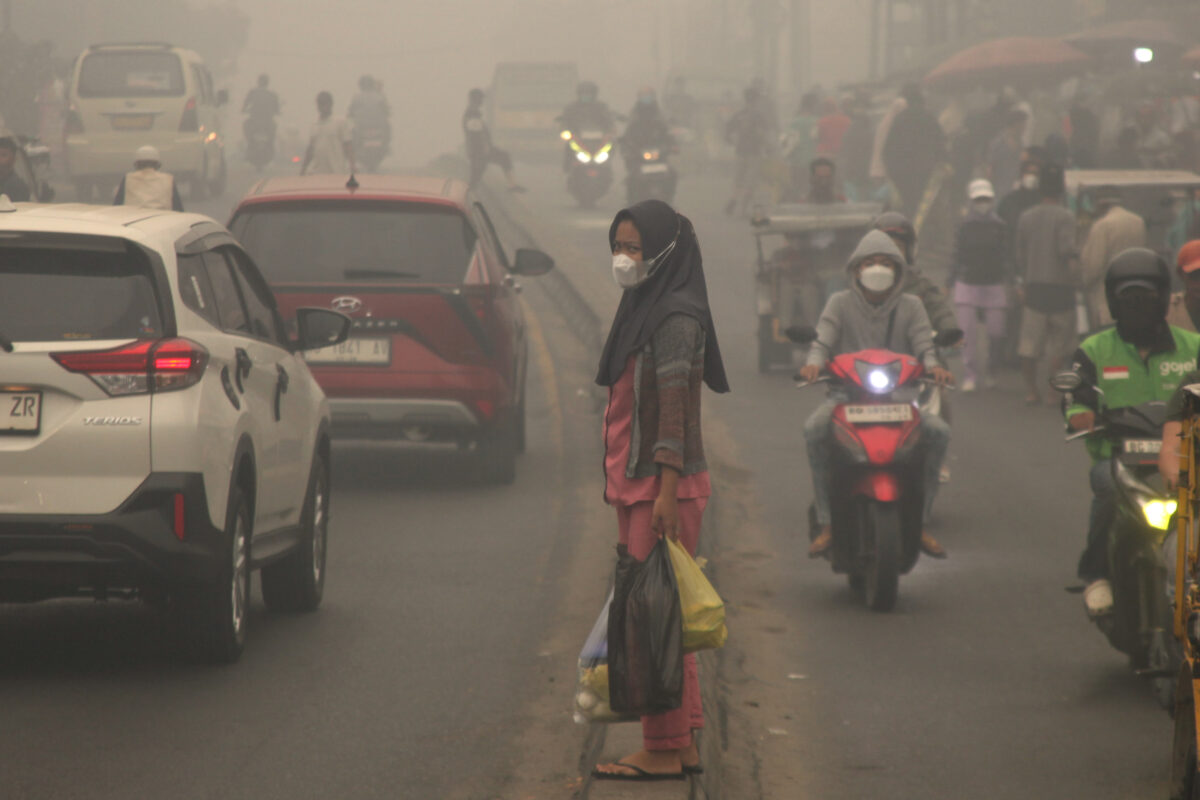
Transboundary haze has been a recurring problem in Southeast Asia since at least the 1980s. Yet addressing the harm to neighbouring economies, the environment and public health remains a challenge in regional diplomacy. Though ASEAN has brokered various regional mechanisms to coordinate haze mitigation, transboundary haze remains an almost annual occurrence in Southeast Asia. And in 2026, it seems worse than ever. Haze-producing fires are often a knock-on effect of draining and drying out peatlands for palm oil and pulpwood plantations in Indonesia, and to a lesser extent, Malaysia. Some of these companies are foreign joint ventures, making haze a truly regional problem in more ways than one. Under ASEAN haze frameworks, member states commit to prevention, monitoring and emergency response activities to combat haze. The 2002 ASEAN Agreement on Transboundary Haze Pollution (AATHP) is supported by mechanisms like the ASEAN Standard Operating Procedure for Monitoring, Assessment and Joint Emergency Response, two ASEAN Haze-Free Roadmaps and various peatland-focused programs. The ASEAN Secretariat supports member states through forecasting, information sharing and coordination. While these efforts are sound on paper, decades of ASEAN cooperation have not conclusively resolved transboundary haze. The first ASEAN Haze-Free Roadmap declared the goal of a ‘Transboundary Haze-Free
Read More

Sunday, October 25, 2026

Sunday, October 25, 2026
Can ASEAN enforce its way out of the haze crisis? – East Asia Forum

ADVERTISEMENT
- Trending
- Comments
- Latest







We bring you the best news, updates, reviews, and events coverage surrounding the worlds top Social Network Companies.
