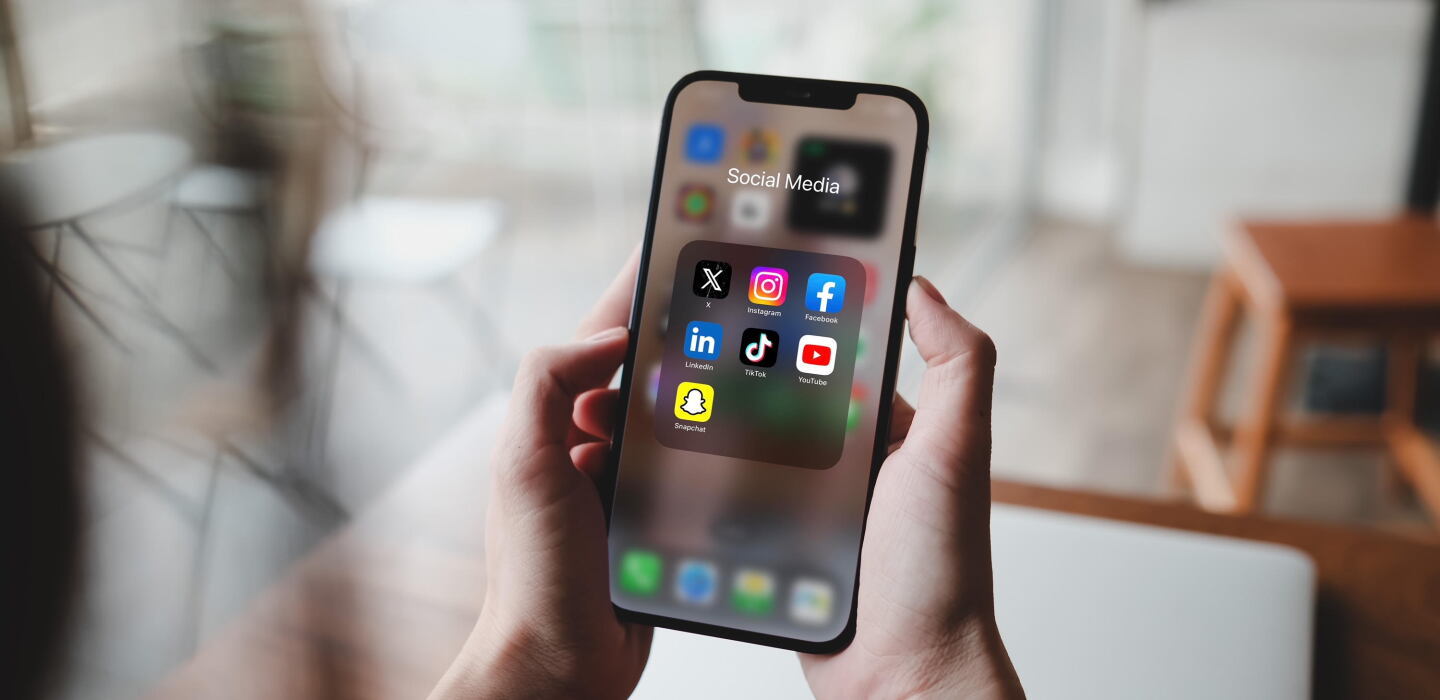
Answer: Yes. A new study from the University of Potsdam in Germany has found that the contact hypothesis can work online too. Participants were asked to follow one of four fictional Instagram profiles, two of which had German-sounding names while the other two had Arabic- or Turkish-sounding names. After three days of viewing everyday content on the accounts, participants rated people from Arab and Turkish backgrounds in Germany as warmer and more competent. And they were more open to supporting those groups and less inclined to engage in negative behavior toward them. There was also a spillover effect common in face-to-face interactions but not often seen online before. Participants were less inclined to engage in negative behavior towards LGBTQ+ people, despite them not being in the experiment. The study reinforces that there can be positive sides to social media when it’s used with good intentions. “If digital spaces are designed responsibly, these platforms also have largely untapped potential to strengthen social cohesion,” said Stefan Stieglitz of the University of Potsdam and part of the study’s team. Kate is a senior copy editor in Northern California. She holds a bachelor’s degree in English with a minor in professional writing from the
Read More
Support authors and subscribe to content
This is premium stuff. Subscribe to read the entire article.