
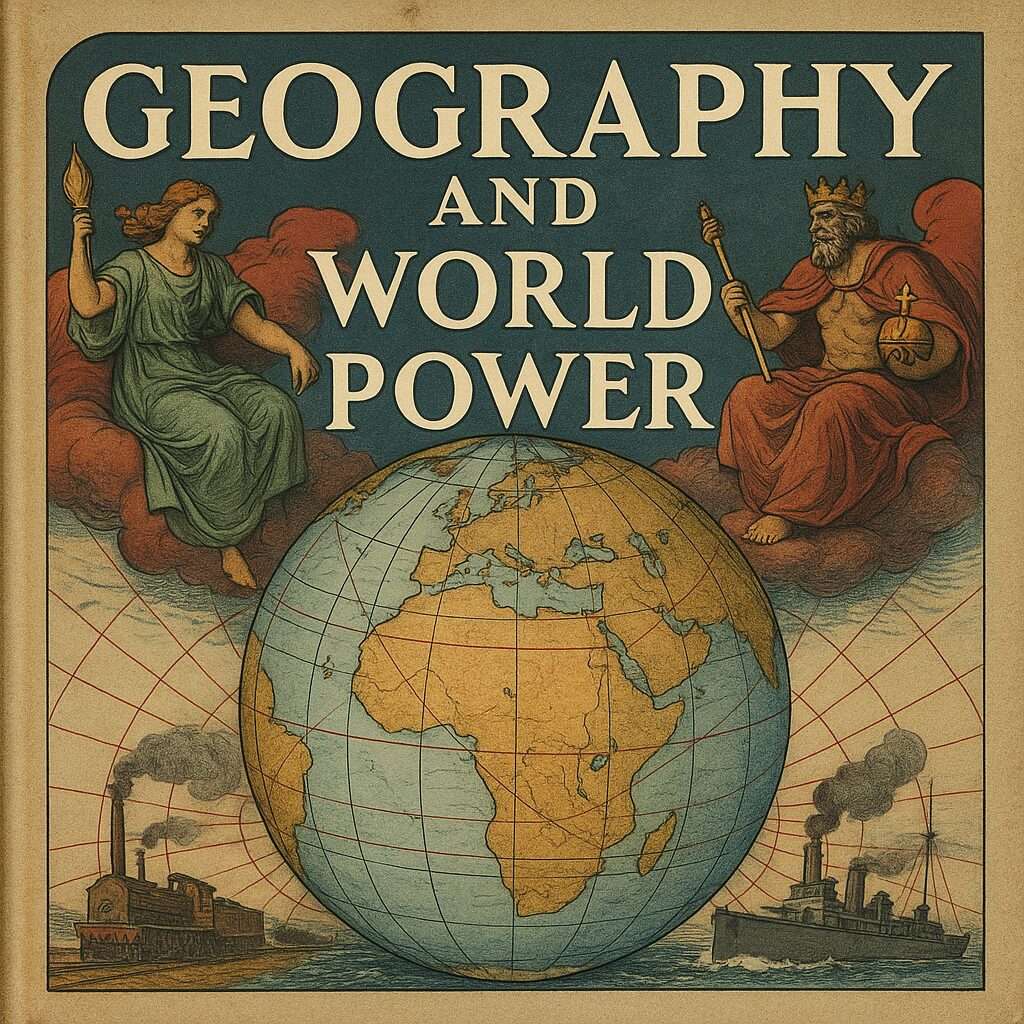
Introduction James Fairgrieve’s Geography and World Power, first published in 1915, remains a critical reference for those seeking to understand the geographical determinants of political power. A product of the First World War, this book offers a historically informed analysis of geography’s impact on state building, military strategy, and global power. While Sir Halford Mackinder’s work eclipsed this book, Fairgrieve’s geopolitical analysis presciently predicted several trends in modern geopolitics, notably the rising importance of the United States, China, and India. The report underscored the lasting importance of Fairgrieve’s work for current geopolitical analysts and strategists. Geography and World Power remains a recommended foundational reading for participants aiming to understand the long-term constants in geopolitics. “Geography and World Power”: A Review Fairgrieve centres his work on the premise that geography shapes not only history but also the distribution and exercise of political power. Geography and World Power explores the influence of geographical factors, as clearly defined by Fairgrieve, on political development and international conflicts. The author structured the book historically and regionally. It begins with the deserts and river valleys of Egypt and Mesopotamia, two regions that Fairgrieve interpreted as “The Beginning of History”, and moves through the ancient trade routes
Read More

Sunday, August 9, 2026

Sunday, August 9, 2026
Fairgrieve’s “Geography and World Power” in Geopolitics – SpecialEurasia

ADVERTISEMENT
- Trending
- Comments
- Latest







We bring you the best news, updates, reviews, and events coverage surrounding the worlds top Social Network Companies.
