
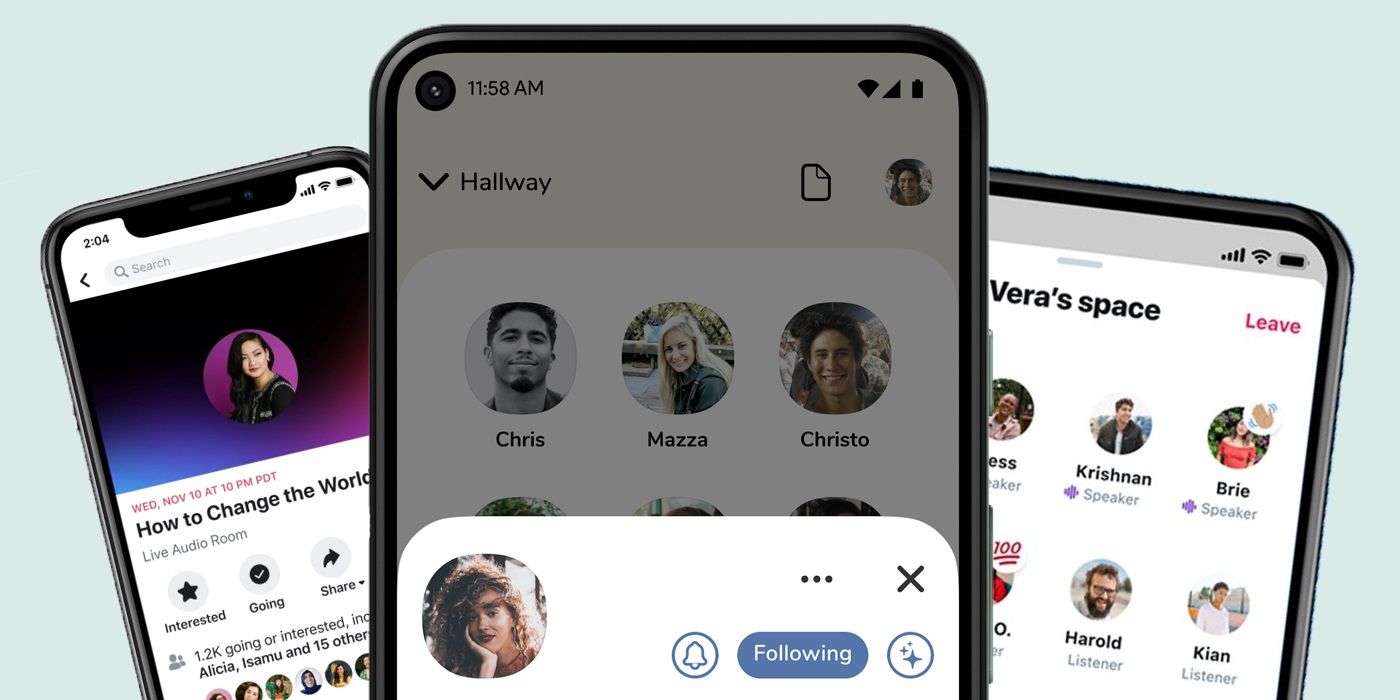
Clubhouse single-handedly put live audio chats on the map, but can it survive an industry with cut-throat competition and platform hurdles? 2020 witnessed the rise of a new social media phenomenon, Clubhouse. The startup, which attained the coveted unicorn status only in January of this year, is all about audio interactions. Now, voice-based communication is nothing new for social media platforms, but Clubhouse almost single-handedly popularized the idea of live audio conversations. More simply, voice chatrooms. Clubhouse has remained notoriously closed when it comes to ease of access, but the buzz was loud enough to catalyze the birth of a new battleground for social media dominance that witnessed everyone from Facebook and Twitter to even LinkedIn aping the formula. Clubhouse created a whole new market, and the competition turned white-hot at lightspeed, but the premise is really simple — Clubhouse provides a platform where a bunch of people gather, one (or a few) of them talks while others listen. Unlike a regular fireside chat or in group voice calls, not all participants get to speak. One has to raise their hand to ask for the mic, and the host decides whether or not to pass it. Of course, listeners can hop in…
Read More

Friday, August 28, 2026

Friday, August 28, 2026
How Clubhouse Created An Audio Craze & What The Future Holds

ADVERTISEMENT
- Trending
- Comments
- Latest







We bring you the best news, updates, reviews, and events coverage surrounding the worlds top Social Network Companies.
