
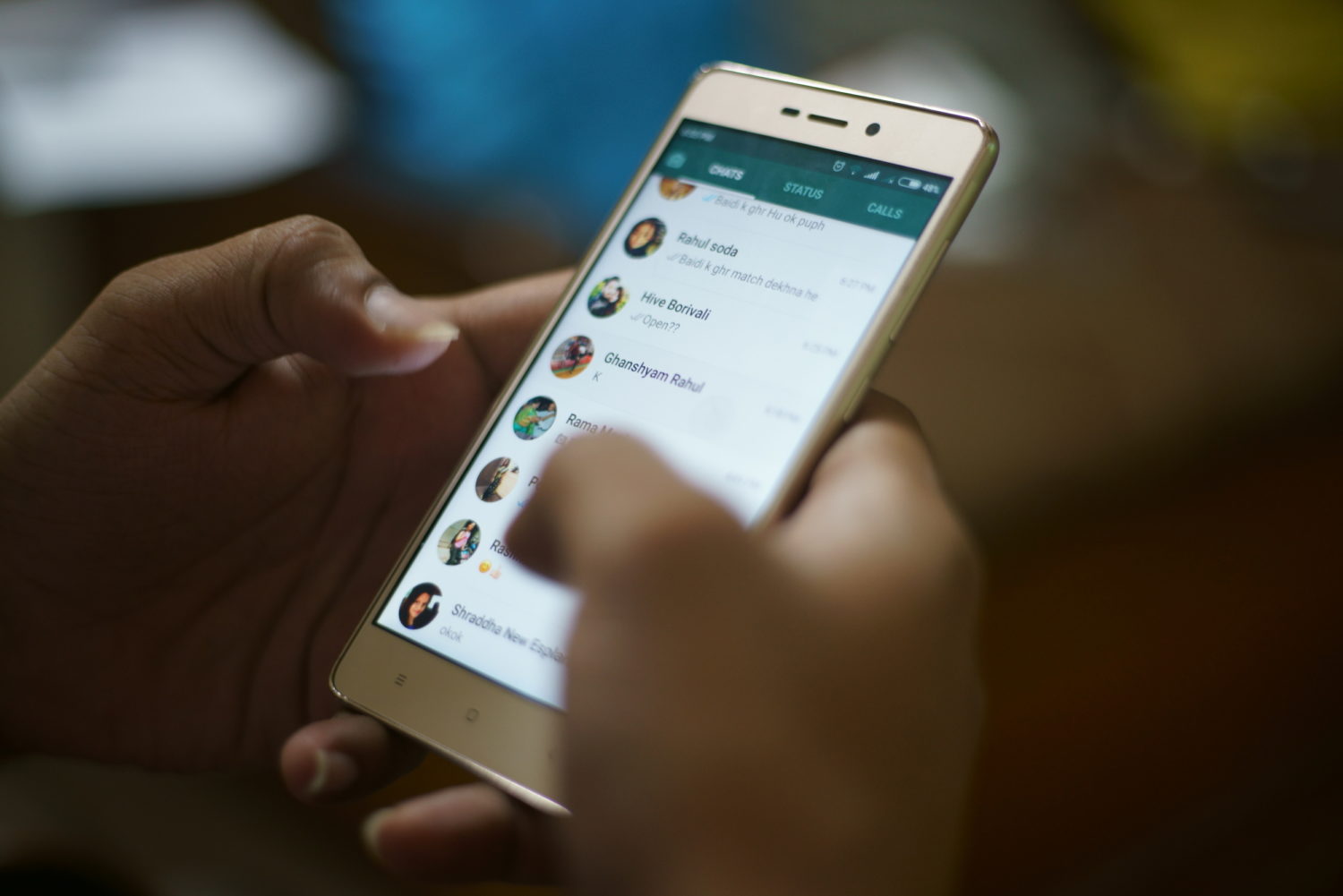
Fact-checkers in India identified political falsehoods, communal rumors across the country’s hyper-local cultures and “miracle cures” that hawk foods as replacements for modern medicine as broad trends of misinformation in the country. Although these were the trends of the moment, fact-checkers said topics will likely shift with the cultural and political landscape, since misinformation everywhere tracks with current affairs. While mis- and disinformation spread chiefly on WhatsApp in a host of different groups, fact-checkers identified Facebook as the second largest culprit. “I think the most misinformation and disinformation probably comes from family WhatsApp groups,” said Coreena Suares, editor of NewsMeter, a fact-checking and digital media platform based in Hyderabad, India, “because there will always be that one uncle, that one auntie, who doesn’t even want to verify, but still wants to circulate it.” Suares said the behavior of mass circulating messages in multiple WhatsApp groups (“forwarding to 10 groups, 15 groups”) without verifying the content is common in India. “WhatsApp University” has even become a derisive expression in India, mockingly deployed by fact-checkers to refer to the “education” people think they receive through the app. “Everyone has a cell phone; everyone has WhatsApp,” Suares said. “Today, the WhatsApp University has…
Read More

Thursday, August 20, 2026

Thursday, August 20, 2026
Indian fact-checkers are tracking the patterns of falsehoods in the country – Poynter

ADVERTISEMENT
- Trending
- Comments
- Latest







We bring you the best news, updates, reviews, and events coverage surrounding the worlds top Social Network Companies.
