
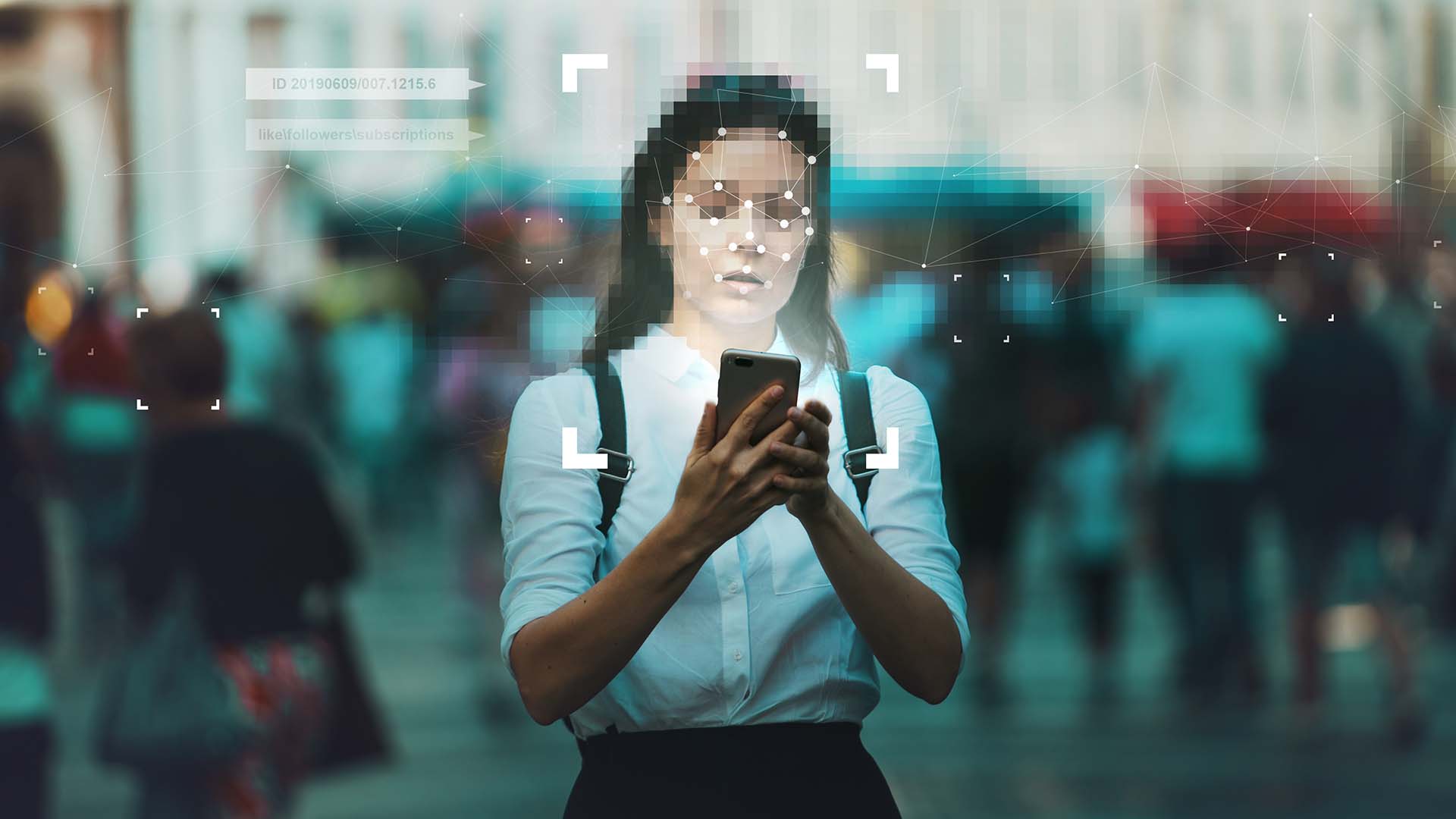
by Mursaleen Bashir The pursuit of impossible beauty standards often erodes self-worth and dignity. When individuals recognise that they cannot meet the artificial ideal they have set for themselves, embarrassment and shame quietly take hold, steadily wearing down their confidence. Choosing authenticity strengthens mental health and reawakens a connection to self-love, humility, and spiritual awareness. Acknowledging the psychological consequences of Snapchat Dysmorphia is the first step towards recovery and the rediscovery of inner beauty. In the present digital landscape, platforms such as Snapchat and Instagram have reshaped self-expression, allowing users to present polished, curated versions of their lives. Yet, the growing reliance on beauty filters has given rise to a concerning trend known as Snapchat Dysmorphia. This condition reflects a preference for digitally enhanced appearances over natural ones, distorting self-image and undermining mental, social, and spiritual well-being. At its root, Snapchat Dysmorphia draws from Body Dysmorphic Disorder, a psychological condition where individuals fixate on perceived flaws in their appearance. Unlike traditional manifestations of BDD, this newer form is shaped by the flawless images generated through digital filters. With a swipe, skin appears smoothed, facial features reshaped, eyes brightened, and blemishes removed. Prolonged exposure to these idealised representations often fosters dissatisfaction with
Read More

Wednesday, August 5, 2026

Wednesday, August 5, 2026
Is Digital Beauty a Deception? – Kashmir Life

ADVERTISEMENT
- Trending
- Comments
- Latest






We bring you the best news, updates, reviews, and events coverage surrounding the worlds top Social Network Companies.
