
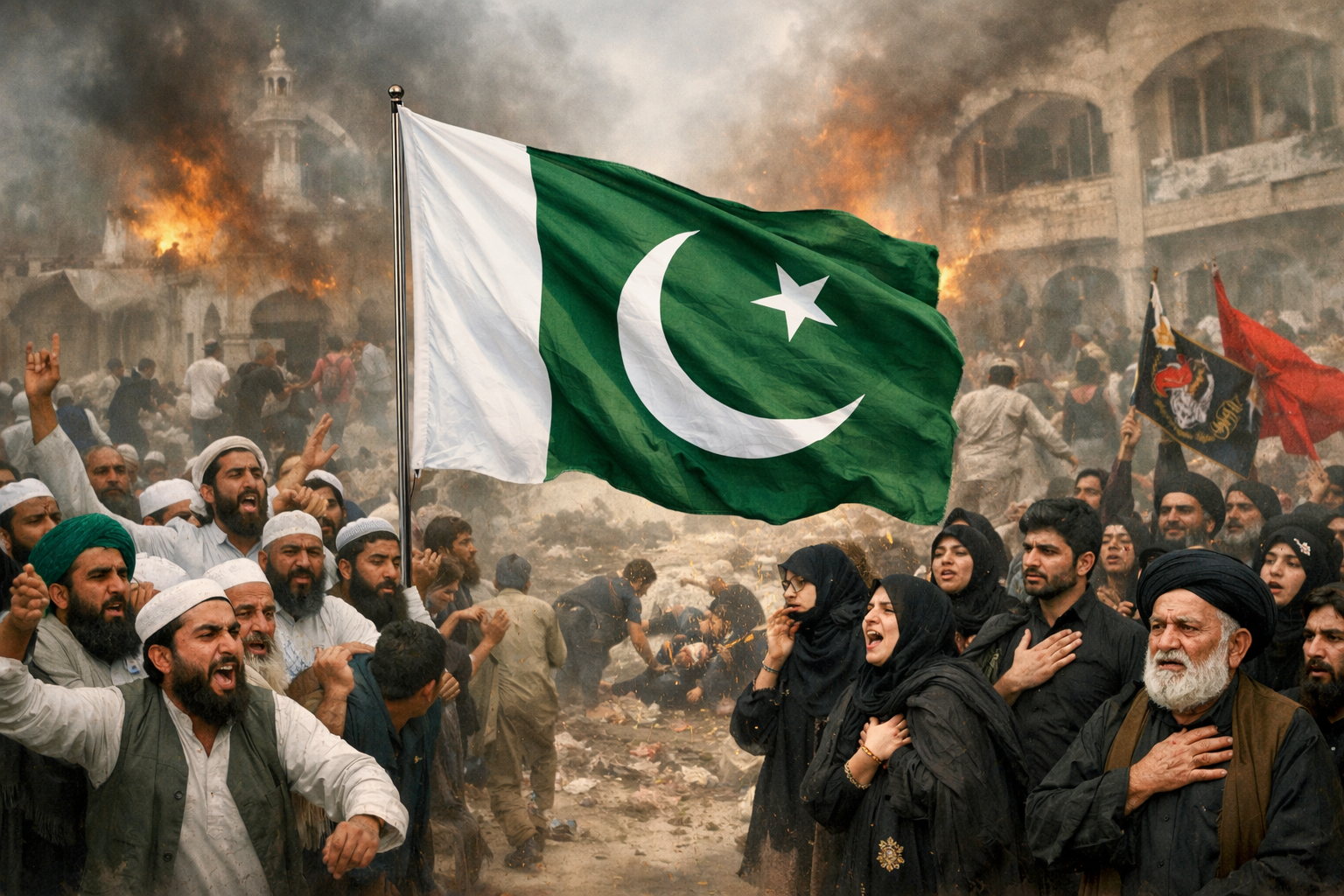
Executive Summary On Friday, February 6, 2026, Pakistan witnessed one of its lethal bomb attempts: a suicide bomber exploded in a Shia mosque on the outskirts of Islamabad. While the perpetrator remains unidentified, this act against the Shia community is part of a broader pattern and occurs during a precarious period for Pakistan’s internal stability. Thus, this report underscores how a potential re-emergence of sectarian fractures deepens the already unstable picture and how it can affect regional balances. Key Points The Shia-Sunni juxtaposition is a collateral effect of Iran-Saudi Arabia tensions within Pakistan. This event may represent the trigger for the deepening of the securitarian framework in regions like Khyber Pakhtunkhwa and Balochistan, where Shia communities live. The deterioration of internal stability in the North-Western region may re-open clashes with the Afghan Taliban. Background Information On Friday, February 6, 2026, Pakistan witnessed a tremendous attack in a Shia mosque at the outskirts of the capital, Islamabad. An explosion provoked 169 casualties, according to officials. The Islamic State Pakistan Province, which belongs to the Islamic State Wilayat Khorasan (ISKP), claimed responsibility for the attack. On Saturday, however, the investigations saw some advancements, with official sources reporting the apprehension of four conspirators
Read More

Tuesday, September 22, 2026

Tuesday, September 22, 2026
Islamabad Suicide Attack: Sunni-Shia Tensions and Regional Spillover Risks – SpecialEurasia

ADVERTISEMENT
- Trending
- Comments
- Latest







We bring you the best news, updates, reviews, and events coverage surrounding the worlds top Social Network Companies.
