
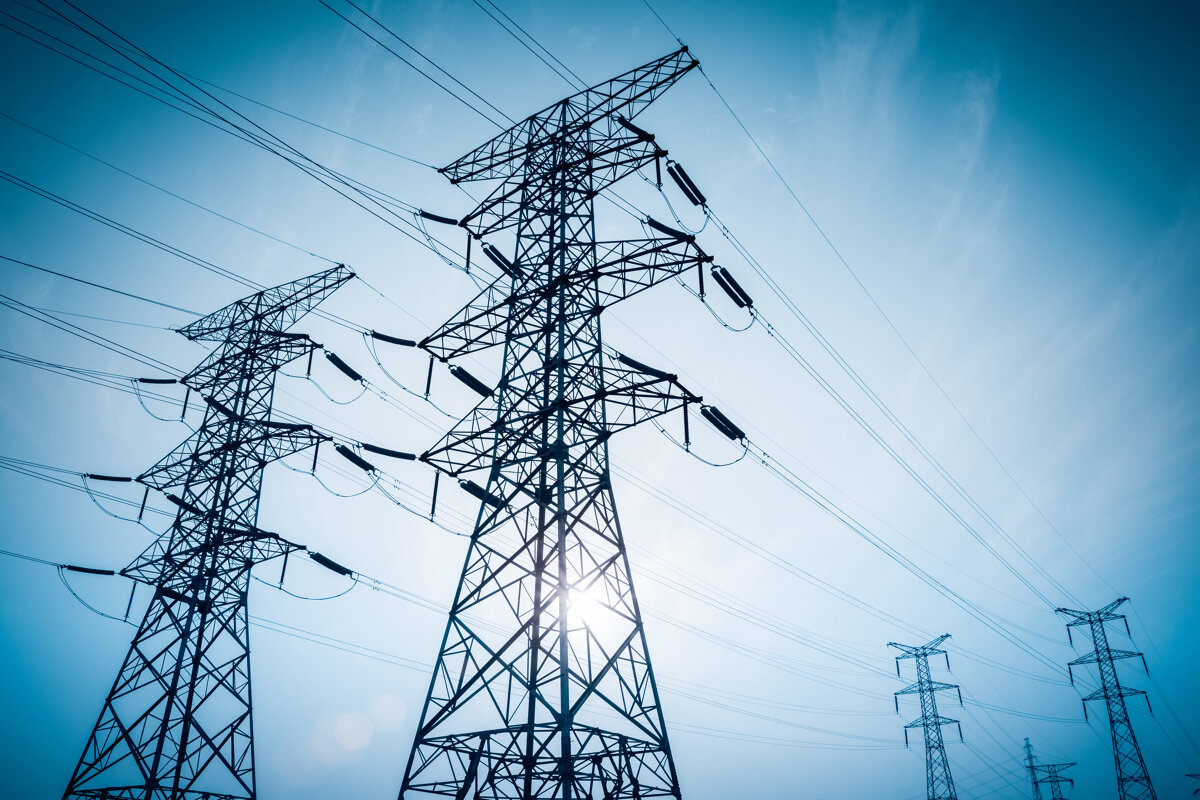
Every minute, power grids around the world briefly twitch. This seconds-long dip in frequency, resembling a heartbeat, puzzled researchers and grid operators for a long time. A team from Forschungszentrum Jülich, RWTH Aachen University, KIT, the University of Cologne and grid operator TenneT has now shed light on the mystery. The cause appears to be certain uninterruptible power supplies (UPSs) and battery storage systems that run self-tests at the same time every minute. Fluctuations in power grid frequency are normal. As grid operators continually work to balance electricity supply and consumption, frequency rises and falls slightly throughout the day. The swings just must not be too large. And grid operators naturally want to know where they come from. The unexplained heartbeat had not posed a safety risk to grid stability, but its intensity had increased, especially since 2015, in places such as the U.K. and Scandinavia, reaching record levels in 2020. The power outage in Spain and Portugal in April 2025 showed how quickly an imbalance in the grid can turn into a real blackout. Control software runs strictly by the clock The pattern appears in 12 of the grids studied across five continents, according to the study published in
Read More

Wednesday, November 4, 2026

Wednesday, November 4, 2026
Mystery grid twitch solved: Researchers pinpoint UPS self-tests | heise online

ADVERTISEMENT
- Trending
- Comments
- Latest







We bring you the best news, updates, reviews, and events coverage surrounding the worlds top Social Network Companies.
