
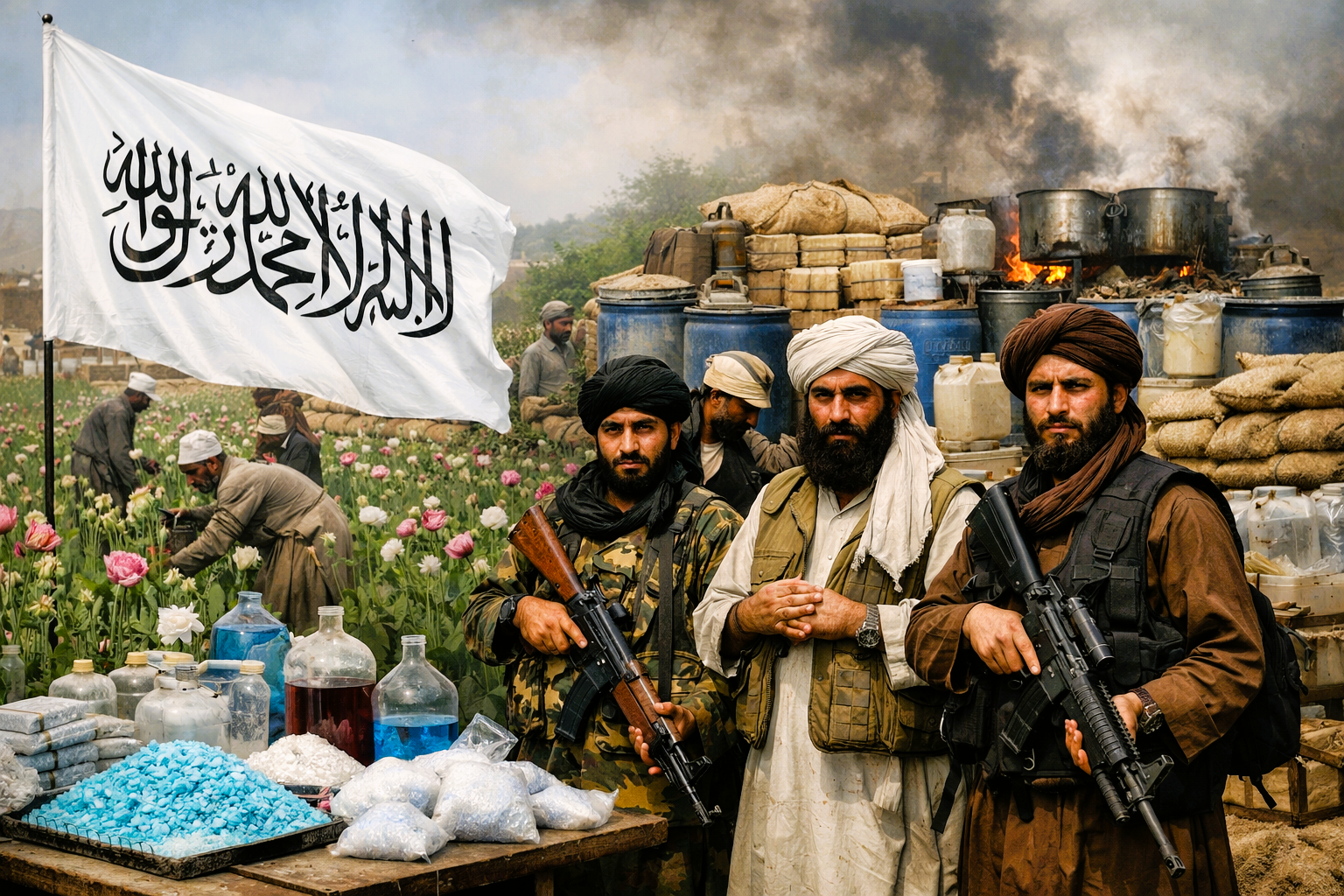
Executive Summary In 2022, the Taliban officially banned opium cultivation, causing a dramatic fall to 35% of the total production. Despite the collateral harm to local farmers, who in certain instances depend on it for survival, the sale of heroin and methamphetamine has not ceased in Central Asian countries. By examining international sources and research, this report seeks to demonstrate how the inability to control drug trafficking and its expansion in Central Asia presents another major challenge for the current de facto Taliban government, given its ramifications both within and beyond Afghanistan. Key Points Despite the ban of 2022 related the opium cultivation in Afghanistan, this activity remains one of the primary incomes for Afghan peasants. The opium seizure and its sale throughout Central Asian countries are relevant factors of instability. The Afghan Taliban remain incapable of resolving the tension between ethnic group identity and political authority. Background Information From its inception through the first seizure of national power in the 1990s, the Taliban movement utilised opium cultivation, heroin processing, and international trafficking as Afghanistan’s primary economic engine. Consequently, the initial Taliban regime oversaw nearly the entirety of global heroin production. By exploiting a sophisticated network of tribal allegiances and
Read More

Wednesday, September 30, 2026

Wednesday, September 30, 2026
New Afghan Opium Routes: Reshaping Central Asian Crime. – SpecialEurasia

ADVERTISEMENT
- Trending
- Comments
- Latest







We bring you the best news, updates, reviews, and events coverage surrounding the worlds top Social Network Companies.
