
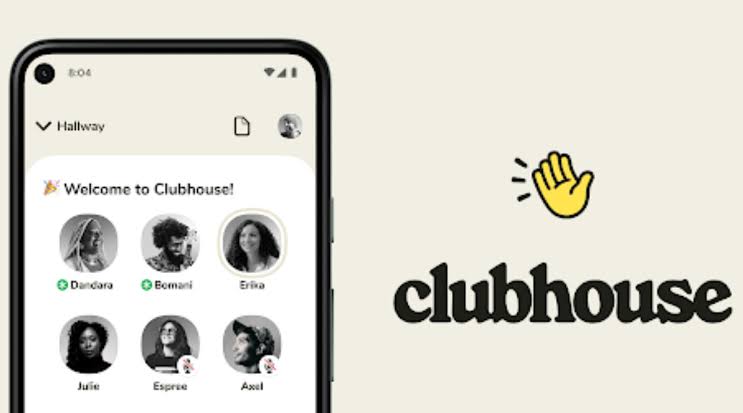
The app was created as a simple idea with an age-old problem in view: people wanted to converse, not type. Davison and Seth were experienced in creating social networking apps, hence they knew how online chats took place. In addition, there was a gap that existed between long-form podcasts and short posts on social platforms, live voice. But the rise and fall of clubhouse portrays a different story. This is how they created Clubhouse through a product called “rooms.” This product consisted of a live audio space in which the host spoke while others listened and raised their hands for their turn to talk. This resembled a conference hallway, a panel discussion, or simply a conference call, except the ease of joining and leaving it. The application was invite-only and iOS only when it launched at first. This decision was logical in terms of technology and scalability because it allowed keeping the server load low and fixing bugs before the millions joined. It generated huge curiosity among people who got to see screenshots and tweets about the application but were not able to join yet. In some countries, the invites even appeared for sale on online platforms. This is how
Read More

Sunday, September 20, 2026

Sunday, September 20, 2026
The Rise and Fall of Clubhouse: From Idea to Launch – TechStory

ADVERTISEMENT
- Trending
- Comments
- Latest







We bring you the best news, updates, reviews, and events coverage surrounding the worlds top Social Network Companies.
