
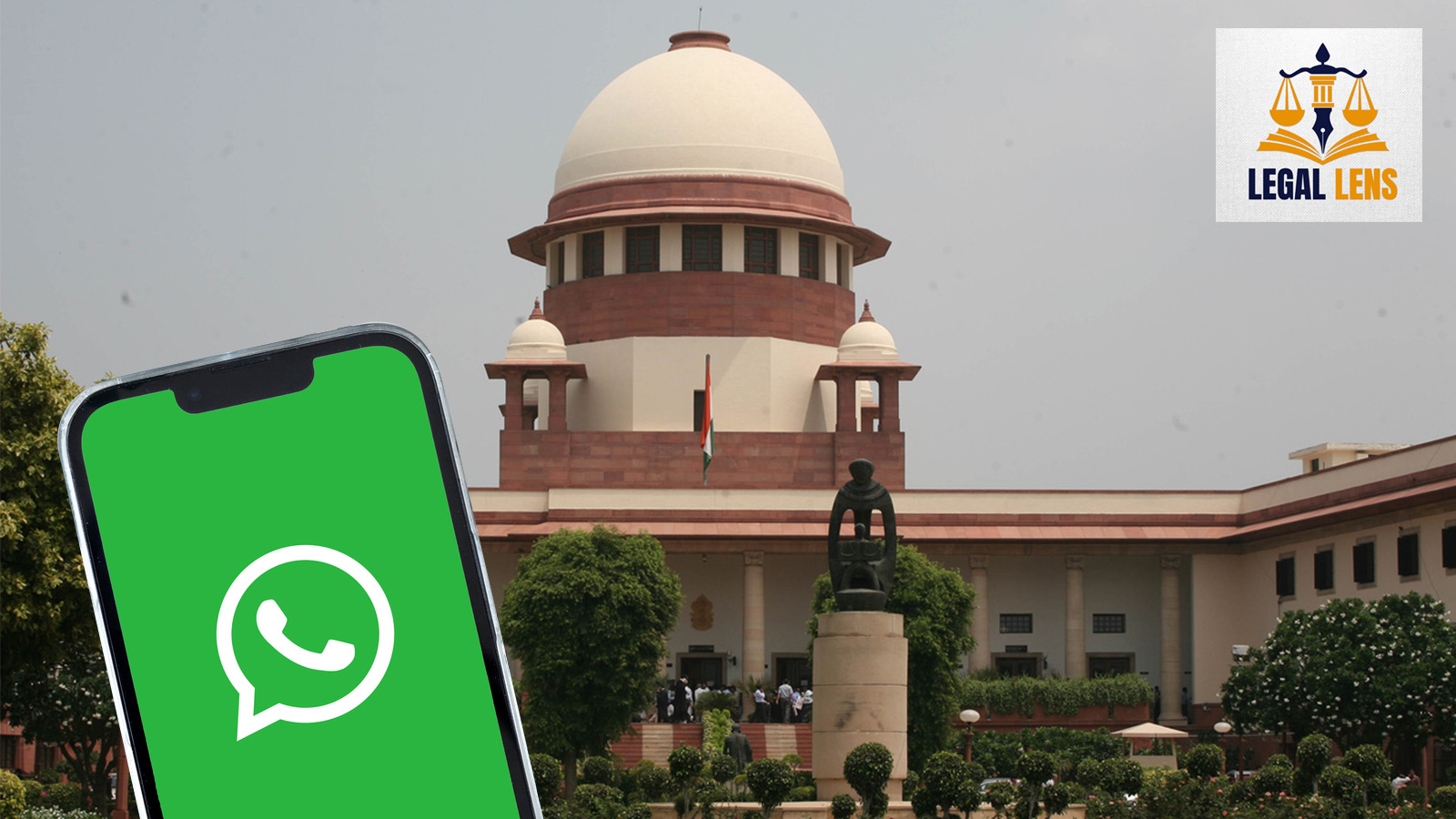
On February 3, the Supreme Court posed a question many users have wondered: When WhatsApp says you have a “choice” about sharing data, but the alternative is losing the app entirely — is that really a choice? This sits at the heart of a five-year legal battle over the messaging app’s 2021 privacy policy that has now reached India’s highest court, with implications for how democracies regulate digital monopolies. In January 2021, WhatsApp updated its privacy policy, requiring Indian users to accept expanded data-sharing with Meta companies — Facebook and Instagram — or stop using the app. Unlike a 2016 policy that allowed users to opt out, the 2021 version eliminated the choice. Also read: What Justice Bhuyan’s remarks on judicial transfers reveal about state of judicial independence The data includes phone numbers, transaction details, business interactions, and information from websites with WhatsApp features. Users faced what the Competition Commission of India (CCI) called a ‘take-it-or-leave-it’ ultimatum: accept or leave. Critically, as the CCI found, even though WhatsApp later announced users wouldn’t lose functionality for refusing the update, this “announcement did not withdraw the new terms of service and privacy policy”. The 2021 policy remains effective, and crucially, “grants WhatsApp
Read More

Saturday, September 19, 2026

Saturday, September 19, 2026
WhatsApp’s privacy policy and the myth of user choice – The Federal

ADVERTISEMENT
- Trending
- Comments
- Latest







We bring you the best news, updates, reviews, and events coverage surrounding the worlds top Social Network Companies.
