
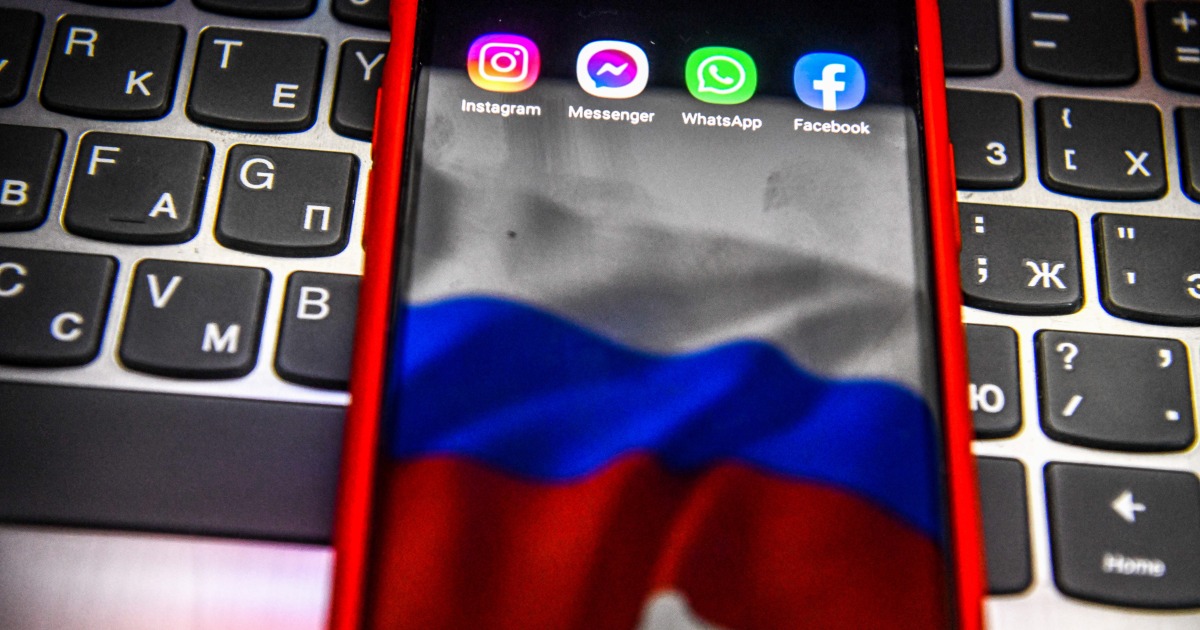
Executive summary As the Kremlin’s war on Ukraine unfolded, Russian state media and diplomatic accounts online began a deliberate, coordinated effort to spread propaganda that aims to justify or deflect blame for the violence. They continue to broadcast this propaganda around the world, including, rather intensively, in Latin America. In a region that contains both U.S. partners and friends of Moscow, public opinion about the conflict still appears to be up for grabs. An analysis of Russian state-backed content on Twitter and Facebook targeted to audiences in Latin America suggests: Soon after Russia invaded Ukraine, Russian state media and diplomatic accounts began a concerted effort to push their messaging about the conflict to audiences in Latin America. According to data collected for this paper, the proportion of all posts about Ukraine-focused topics by these accounts tripled, and engagement with posts about Ukraine — in the form of likes, comments, shares, and other reactions — increased by more than 400%. Kremlin propaganda sought to justify the invasion by asserting that there was an existential threat: Moscow argued that the Ukrainian government, led by “drug addicts and neo-Nazis,” was committing genocide against Russian-speaking people in the eastern part of the country.1 As
Read More

Tuesday, August 11, 2026

Tuesday, August 11, 2026
Working the Western Hemisphere – Brookings Institution

ADVERTISEMENT
- Trending
- Comments
- Latest






We bring you the best news, updates, reviews, and events coverage surrounding the worlds top Social Network Companies.
